Fire Risk Forces Suspension of Harry Potter Steam Trains Across Britain

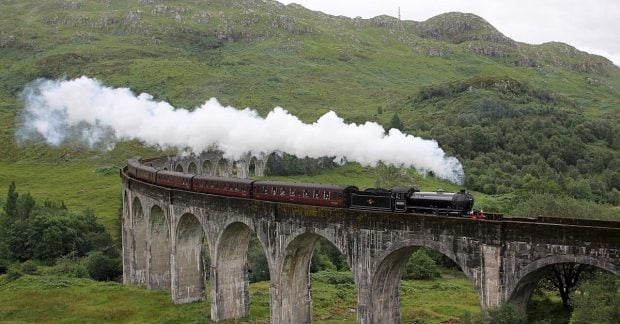
Nationwide Ban on Tourist Steam Locomotives in the UK
According to УНІАН — Туризм: Britain has temporarily banned tourist steam trains due to an elevated risk of wildfires during extreme heat. The decision was made by Network Rail, the country's railway infrastructure operator, following an incident in Cheshire where sparks from a steam locomotive are suspected of igniting a large blaze. The train, owned by West Coast Railway and famously used in the filming of J.K. Rowling's Harry Potter movies, was at the center of the event.
The fire led to the cancellation of 72 services on the West Coast Main Line and delayed 158 trains. The nationwide ban on steam locomotives has forced their urgent replacement with diesel engines. Heritage railway groups have backed the move, calling it a necessary precaution. A spokesperson for the Mid-Norfolk Railway described the step as 'a responsible decision.'
Tourism Impact and Climate Context
Air temperatures in parts of the country have hit 37°C, following three consecutive heatwaves. According to a Network Rail representative, these prolonged periods of hot, dry weather
“have increased the risk of wildfires across the country.”
Although the start of summer school holidays this week might have boosted demand for tourist travel, the steam train prohibition will significantly affect the tourism industry. Network Rail continues to investigate the cause of the Cheshire fire.
This ban highlights the growing challenge of wildfire prevention, especially as climate change makes extreme weather more frequent. It also underscores the need for tourism infrastructure to adapt to emerging threats. The restrictions are expected to reduce visitor numbers, potentially harming the economies of regions that rely on tourism.
The recent suspension of steam trains not only reflects the immediate concerns over fire hazards but also aligns with a broader pattern of disruptions in the UK's transportation network. This situation is exacerbated by the ongoing extreme heat, which has already led to significant cancellations across the rail system. As climate conditions worsen, the implications for both travel and tourism could be profound, prompting a reevaluation of safety measures and infrastructure resilience.

Read also