For British Historian Niall Ferguson, Putin's Wartime Standing Has Never Been Worse

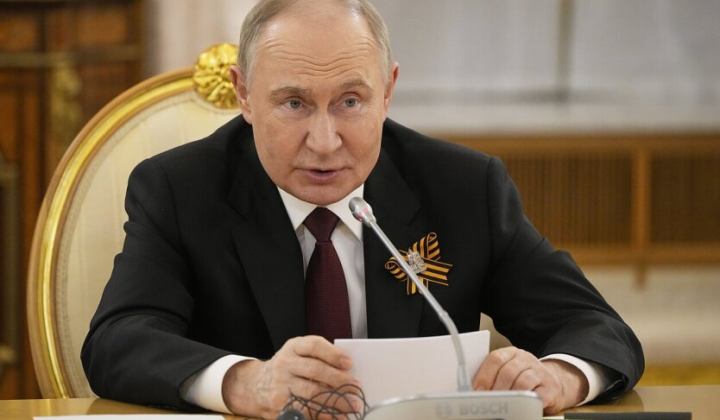
Putin Under Ferguson's Microscope: A Grim Assessment
According to ХВИЛЯ: Speaking on the Hoover Institution's YouTube show GoodFellows, historian Niall Ferguson argued that the Russian leader has never been in a weaker spot during this war. He tied that conclusion to unprecedented Russian losses on the front line and to Ukrainian strikes against Russian oil and energy infrastructure. The assessment adds to growing Western attention on Moscow's wartime trajectory.
Casualties, Fuel Collapse, and the Baltic Scenario
Ferguson described Russia's campaign as a terrorist-style missile-and-drone assault on Ukrainian civilians, while Ukraine has been hitting targets far inside Russia, particularly oil and energy installations. He estimated Russian battlefield losses at around 40,000 per month and roughly half a million dead for the whole campaign. Ukraine's General Staff reported that July 2026 set a new record, with nearly 43,000 Russian soldiers killed. Christopher Cavoli, former commander of U.S. forces in Europe, put the total number of Russian military deaths at about 450,000.
Ferguson also focused on the economic fallout. He said long-range Ukrainian drone operations against refineries have driven Russia's fuel market toward collapse. By mid-August, gasoline or diesel remained available at only 28 percent of Russian filling stations, and fuel shortages with purchase limits had reached Moscow.
“An attack on a Ukrainian city would wipe out whatever remains of Putin's legitimacy, even in the parts of the world that remain loyal to Russia,”
Niall Ferguson
At the same time, Ferguson considers it realistic that Russia might try to probe one of the Baltic states, an action that could create a split between the United States and Europe.
These remarks highlight how precarious Russia's position has become and what a more aggressive Kremlin posture toward the Baltics could mean for international security. If Putin loses his remaining global legitimacy, both Russia and Western governments will face a more unstable strategic landscape.
Ferguson's insights into the current state of Russia's military and economic struggles resonate with earlier assessments regarding Moscow's vulnerability. As the situation evolves, recent strikes on key Russian targets may indicate shifting dynamics that could lead to a potential agreement with the Kremlin. For a deeper understanding of how these developments might influence negotiations, read more about the implications of attacks on Moscow and oil facilities.

Read also