Czech Republic Initiates EU Talks on Ending Protection for Ukrainians

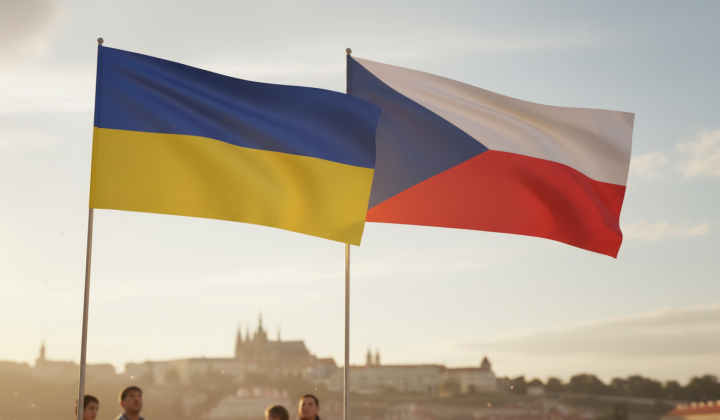
Czech Government Engages in EU Negotiations
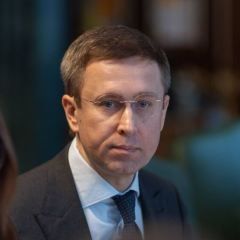
According to ХВИЛЯ: Tomio Okamura, leader of the Czech SPD party, has revealed that the Czech government is in discussions with the European Union regarding the potential termination of temporary protection for Ukrainian men of conscription age. Prague aims to tighten residency rules for foreigners, including Ukrainians who currently hold temporary protection status. The final decision on this matter hinges on the EU's stance and support from other member states.
Okamura further noted that the SPD proposes stricter conditions for other categories of refugees, not limited to Ukrainians. The party's initiatives include tougher requirements for vehicles with Ukrainian license plates, mandatory technical inspections, and new regulations for foreigners in general. The politician emphasized that there are already too many Ukrainians in the Czech Republic, stating, 'We need to do something about this.'
The Issue of Returning Ukrainian Refugees
The question of sending Ukrainian men of military age back home extends beyond Czech politics. European capitals are preparing reforms to temporary protection, and Germany has already raised the need to return Ukrainians to their country. Similar sentiments are gradually growing in Poland and the Czech Republic as well.
The situation for Ukrainian refugees in the Czech Republic and other European nations could shift significantly due to these planned reforms. EU governments are seeking ways to adapt their immigration policies to address new challenges stemming from the prolonged conflict in Ukraine. With increasing support for the idea of refugee repatriation, it is crucial to monitor the EU's upcoming decisions and their impact on the status of Ukrainians abroad.
As discussions unfold regarding the potential changes in residency rules for Ukrainian refugees, the Czech government is also poised to explore stricter conditions for refugees in the near future. This indicates a broader trend across Europe, where nations are reassessing their immigration policies in response to ongoing challenges stemming from the conflict in Ukraine.

Read also