Fuel Prices in Ukraine Updated: Here’s What Gasoline and Diesel Now Cost

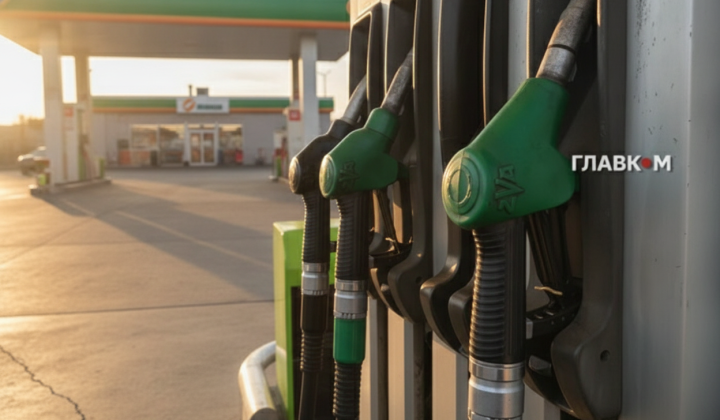
Ukraine’s Fuel Prices See Fresh Adjustments
According to Главком: As of June 1, 2026, Ukraine has rolled out updated fuel prices. The average cost of A-95 gasoline stands at 76.07 hryvnias per liter, while diesel fuel has reached an average of 82.33 hryvnias per liter. Gas station chains Socar, UPG, and Oko have cut diesel prices by 1 hryvnia. The most expensive fuel is found at Oko, WOG, and Socar stations, whereas the lowest prices are recorded at Ukrnafta and BRSM-Nafta outlets.
It’s worth noting that diesel prices in Ukraine have surged by 33.9% recently. This increase is part of a broader price hike observed from February 26 to March 31. According to data from Platts, diesel prices rose by 86% during that period, while station-level prices climbed 39%. Overall, average prices at Ukrainian gas stations have risen 16% for gasoline and 39% for diesel.
Cashback Program and Key Drivers of Price Hikes
A fuel cashback program, active from March 20 to May 31, 2026, allowed 2.3 million Ukrainians to receive compensation: 15% of the cost for diesel, 10% for gasoline, and 5% for autogas. This initiative served as a critical support tool for consumers amid rising prices.
“The main objective factor behind the price increase is that after the shutdown of the largest-and virtually only-oil refinery in Ukraine, over 85% of light petroleum products now depend on imports,” said Pavlo Kyrylenko.
Other factors contributing to rising fuel prices include:
- growing demand volumes;
- shrinking supply and inventory levels;
- higher logistics costs;
- the inability to compare storage conditions and capacities for fuel within Ukraine.
The Antimonopoly Committee found no monopolistic practices in the market, indicating a competitive environment in this sector.
Given the significant fuel price increases in Ukraine, it is crucial to consider the impact of imports on the petroleum product market. With over 85% of light petroleum products relying on imports, the country remains vulnerable to external price fluctuations. The cashback program, which ran for several months, helped ease the financial burden on consumers, but rising fuel costs could have negative repercussions for the broader economy, especially amid higher logistics expenses and dwindling reserves.

Read also