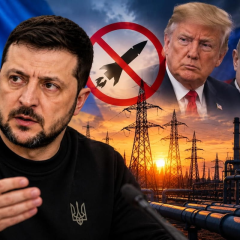
Denmark Rejects Trump's Greenland Inquiries, Stating Sovereignty Is Non-Negotiable

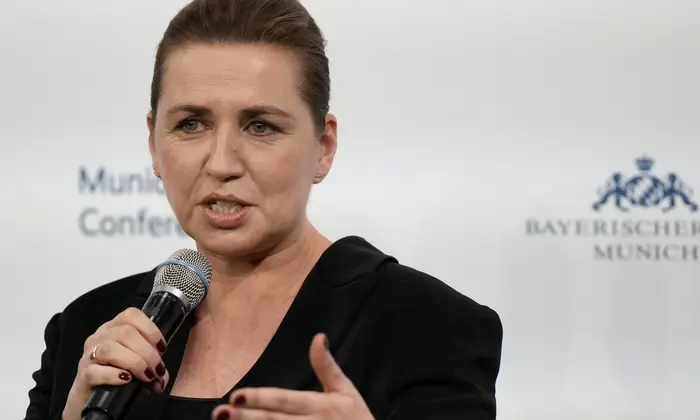
Denmark's Stance on the Greenland Agreement
According to Главком: Danish Prime Minister Mette Frederiksen has clarified her government's position regarding an agreement reached between U.S. President Donald Trump and NATO Secretary General Mark Rutte concerning Greenland. While she confirmed that Arctic security matters were indeed discussed, she firmly stated that Danish and Greenlandic sovereignty cannot be a topic for debate within NATO. This reaffirms a long-standing principle for the Kingdom of Denmark, which includes Greenland as a self-governing territory.
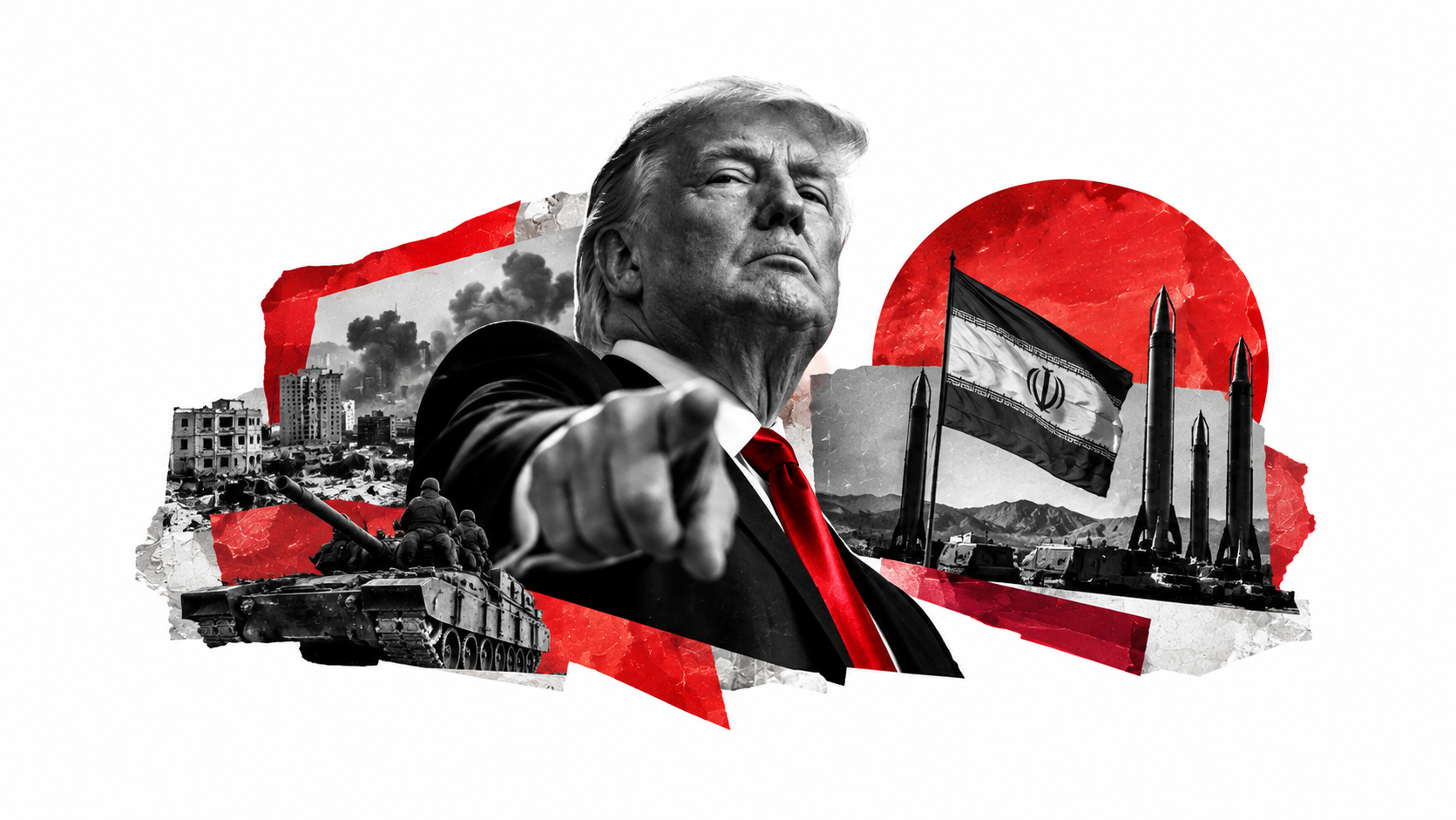
Frederiksen noted she spoke with Rutte both before and after his meeting with Trump. For his part, Donald Trump announced the development of a framework plan which he claimed would meet his requirements regarding Greenland. Senior officials from NATO member states are also reportedly considering the possibility of granting the United States full control over specific areas of the island.
“It is good and natural that Arctic security issues were discussed between the U.S. President and the NATO Secretary General,” said Mette Frederiksen.
She further added, “NATO is fully aware of Denmark’s position that anything political can be discussed, including security, investment, and economic issues, but our sovereignty cannot be discussed.”
The Significance of Sovereignty
This episode underscores the critical importance of national sovereignty in international relations, particularly in strategically vital regions like the Arctic. By maintaining control over Greenland, Denmark is sending a clear message that matters of territorial integrity are inviolable, even within military alliances like NATO. The Arctic's growing geopolitical and economic importance makes such declarations particularly significant.
This firm stance is likely to influence future negotiations between the nations and help define the trajectory of relationships in the region.

Read also