For the First Time, a Russian Lawmaker Admits the War Is Breaking the Economy

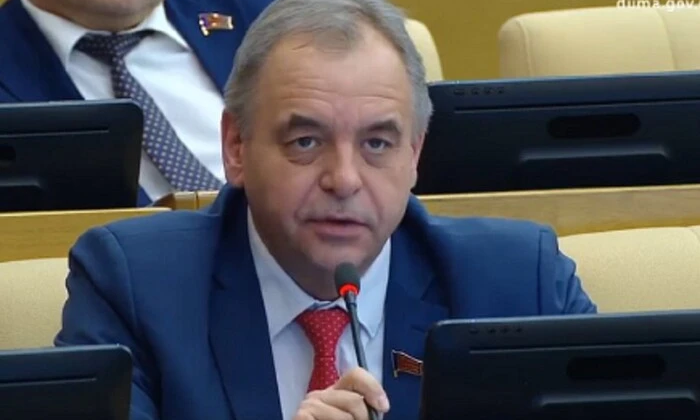
Russia’s Economy Can’t Sustain the War, Says Deputy
According to Главком: Renat Suleymanov, a State Duma deputy from the Communist Party faction, has publicly acknowledged that Russia’s economy is unable to continue the war against Ukraine. This marks the first such admission since the start of the full-scale invasion, coming from a politician who previously demanded Kyiv’s surrender and supported mass mobilization. In his view, the current economic situation points to severe troubles ahead for the country.
According to Suleymanov, direct spending on defense and security forces now consumes roughly 40% of Russia’s federal budget. He stressed that the economy cannot withstand a prolonged continuation of the so-called special military operation.
“It is absolutely clear that the economy will not hold up under a long-term extension of the SMO. What expansion, investments, or capital expenditures can we even talk about? Neither tanks nor shells have any consumer value: the economy produces them, but the population cannot consume them.” – Renat Suleymanov
Economic Decline and Its Fallout
Furthermore, analysts report that 6% of Russian enterprises shut down in the first quarter of 2026, reflecting a sharp drop in economic activity. The country’s customs revenues have fallen to their lowest level since the start of the full-scale aggression, and Russian industry has gone negative for the first time since the war began. Russia’s GDP is projected to contract by 0.6% by the end of the first quarter of 2026.
Suleymanov also highlighted serious problems likely to emerge after hostilities end. Over one million Russian soldiers will return from the front to civilian life, but the labor market is incapable of providing them with jobs and decent wages. Additionally, colossal sums-which the budget lacks-will be required to rebuild and maintain the fully destroyed occupied territories of Ukraine.
These developments suggest that the rhetoric of Russian politicians may shift under the influence of public opinion polls ahead of the State Duma elections. Amid economic instability and rising inflation, the question of continuing the war is becoming increasingly pressing for Russian lawmakers.
Suleymanov’s statement may signal a change in sentiment among Russian politicians regarding the war with Ukraine. As the economic crisis deepens and living standards decline, the issue of prolonging military action grows ever more sensitive. The state of Russia’s economy, as the deputy notes, could prompt a reassessment of strategies and approaches to the war-especially given the future return of soldiers from the front and the need to restore devastated territories.
The economic challenges highlighted by Renat Suleymanov echo broader trends in Russia's financial landscape, as recent reports indicate a significant decline in the country's oil refining capabilities. This loss has contributed to a growing budget shortfall, raising concerns about the sustainability of Russia's economic model amidst ongoing military expenditures. To understand the implications of these developments, you can read more about the current state of Russia's energy sector and its fiscal challenges in our detailed coverage here.

Read also