Why Ukraine's Ruling Party Struggles to Pass Legislation in Parliament

Root Causes of Voting Failures in Ukraine's Parliament
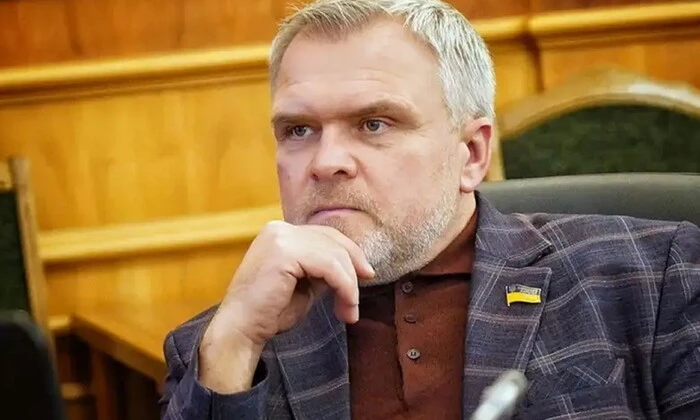
According to Главком: In an interview with DW, Oleksandr Kovalchuk, deputy head of the ruling 'Servant of the People' parliamentary faction, outlined the reasons behind the frequent failure of initiatives to pass in the Verkhovna Rada. He pointed to a desire among some lawmakers to resign their mandates and commented on President Volodymyr Zelenskyy's stance on the issue. This comes at a critical time for Ukraine, as effective governance is paramount during the ongoing war.
Kovalchuk, who also serves as deputy head of the parliamentary committee on finance, tax, and customs policy, stressed the vital need for better communication between the government and parliament.
"Before agreeing to anything in negotiations, the government must first get the parliament's position, not bring decisions for a vote afterward. Physically, there are enough deputies in the session hall," he noted.
He emphasized that difficulties often arise during votes when draft laws have not been properly communicated. "We see votes with 270 and 300 votes in favor. But when bills appear that were not communicated, they may fail to gain support," he added.
'Coalition for Reforms' Initiative and Communication Breakdown
Kovalchuk also mentioned the 'Coalition for Reforms' initiative, which previously provided a platform for dialogue between deputies and the government. However, he stated this mechanism has ceased to function.
"Why the government's approach to communication has changed, I do not know," he remarked.
The deputy suggested the voting problems might be linked to burnout or a reluctance to work in vain: "I am more inclined to think this is related to burnout or an unwillingness to work for nothing."
Oleksandr Kovalchuk further noted that many deputies dream of a 'reboot' of their activities. "Few are ready to fight to stay in their roles much longer. This is a very important factor. And here, society should think about why this is the case," he stated.
President Volodymyr Zelenskyy, for his part, has asserted that members of parliament who wish to resign their mandates during martial law must either continue their work in the legislature or go to serve on the front lines. Zelenskyy also stressed that organizing elections during war is impossible, though changing legislation to allow for elections remains a potential option.
Kovalchuk's comments highlight systemic issues in the Ukrainian parliament's work, stemming from insufficient communication between the government and lawmakers. In wartime, as the country faces numerous challenges, the importance of the Rada's effective operation becomes even more pronounced. Meanwhile, the president's firm position on resignations during martial law underscores the need to maintain stability in state governance, sparking public debate about the responsibility of parliamentarians and their role in this difficult period.
As the challenges in the Verkhovna Rada continue, the pressure on lawmakers intensifies. President Zelenskyy's recent ultimatum underscores the urgency for parliamentary members to either commit to their roles or face the realities of the front lines. This situation highlights the critical need for effective governance during these turbulent times, as detailed in our coverage of Zelenskyy's demands to MPs.

Read also