Overnight Drone Strike Targets Chemical Plant in Russia's Tula Region

Strike on the Azot Chemical Plant
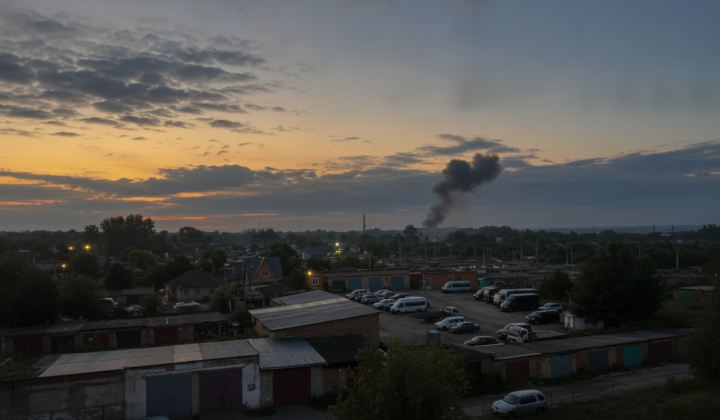
According to Главком: In the early hours of June 26, the Tula region of Russia came under a drone attack, with the Azot chemical plant in Novomoskovsk as the intended target. Explosions and the sound of unmanned aerial vehicles flying overhead echoed throughout the city all night, and popping noises were even heard in the Venevsky district of the Tula region. Local residents have reported a smell of ammonia in the air and disruptions to the power supply.
Strategic Importance of the Plant
Azot, part of the EuroChem holding company, is a major facility producing dual-use goods for Russia's defense industry. It is the country’s second-largest ammonia manufacturer and supplies a significant share of nitrogen fertilizers. Notably, one out of every nine tons of ammonia produced in Russia comes from this plant. Its product range includes:
- urea
- methanol
- concentrated nitric acid
- argon
- chlorine
- caustic soda
The ammonium nitrate produced at the plant is a component of industrial explosives, while methanol serves as a feedstock for rocket fuel. Nitric acid is a key precursor for nitro compounds used in military applications, and argon is employed in welding and metal heat treatment within the defense sector.
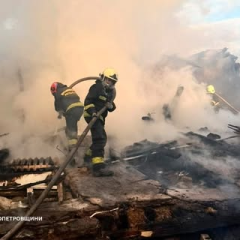
This attack on the Azot plant marks the fourth such incident this year. Previously, on May 24, 2026, drones damaged a low-pressure gas pipeline and two nitric acid tanks, each with a capacity of 750 tons, leading to a partial acid leak onto the ground. On June 8, 2026, at least five explosions occurred on the plant grounds, injuring two people. Additionally, on June 14, 2026, a fire broke out following another strike on the facility.
Novomoskovsk, where the chemical plant is located, sits roughly 400 kilometers from the border with Ukraine. This situation has raised concerns among local residents and heightened scrutiny over the security of strategic assets in the region.
The attack on the Azot chemical plant underscores the growing tension in the area, where strategic industrial sites are increasingly becoming targets for drone strikes.
Given the pattern of previous attacks and their consequences, ensuring the safety of such facilities has become ever more urgent. The incident is alarming not just for local communities but also at the national level, as these disruptions could impact the production of critical materials for the defense industry. It also raises questions about the authorities' ability to provide adequate protection for strategic enterprises under these circumstances.
The recent drone strike on the Azot chemical plant in Tula is part of a broader pattern of attacks targeting critical infrastructure in Russia. This incident follows a series of strikes in various regions, highlighting the ongoing tensions and military strategies at play. For more insights into how these operations are evolving, read about the recent drone strikes that affected three Russian regions in a new Ukrainian offensive here.

Read also