One of Russia's Biggest Oil Refineries Hit by Overnight Drone Strike in Yaroslavl


Strike on Yaroslavl Oil Processing Plant
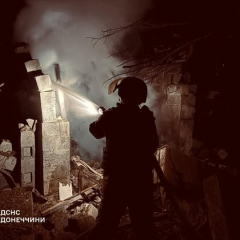
According to Главком: In the early hours of July 6, drones targeted the Slavneft-YANOS refinery in Yaroslavl, sparking a fire. This facility ranks among Russia's largest, with an annual processing capacity of approximately 15 million tons of crude oil. Yaroslavl, where the plant is located, lies more than 700 kilometers from Ukraine's state border.
Local residents reported a series of explosions during the attack, along with the sound of air defense systems engaging targets near the industrial zone. As of this publication, Russian authorities have not issued any official statements regarding the extent of the damage.
Plant's Importance and Product Range
Slavneft-YANOS is the biggest oil refinery in northern Russia and ranks among the country's top five facilities by primary crude processing volume. Its output includes:
- automotive gasoline,
- Euro-5 standard diesel fuel,
- aviation kerosene,
- fuel oil,
- bitumen and lubricants.
The controlling stake in its parent company, PAO NGK Slavneft, is held by Rosneft and Gazprom.
Notably, drones had already struck the Yaroslavl refinery on the morning of June 28, causing smoke to be observed. That same night, another drone attack targeted the Slavyansk refinery in Russia's Krasnodar region, where debris from an unmanned aerial vehicle ignited a fire. Yaroslavl is also home to the Yaroslavl Higher Military School of Air Defense, which has trained officers for missile and radio-technical forces since 1951.
Ukrainian President Volodymyr Zelensky has pointed out that the plant's products supply not only the civilian market but also fuel the occupying Russian army.
This strike on a key Russian oil processing site highlights the growing role of drone technology in modern warfare. The events in Yaroslavl may signal a shift in tactics, focusing on critical infrastructure targets. Repeated attacks on this refinery threaten the stability of fuel supplies for both the Russian military and the civilian sector, potentially leading to far-reaching consequences for the regional economy.
The recent attack on the Yaroslavl refinery is not an isolated incident; it follows a pattern of drone strikes targeting critical oil infrastructure in Russia. This escalation raises questions about the effectiveness of air defenses and the implications for energy supplies. For further insights into the ongoing situation and similar strikes on oil facilities, see how Ukrainian drones have impacted other refineries in the region recently.

Read also