Why Large-Scale Invasions Are Now Obsolete: The Drone Revolution in Warfare

A Fundamental Shift in Combat
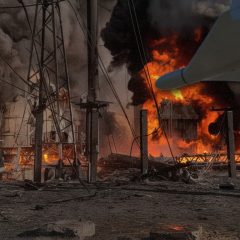
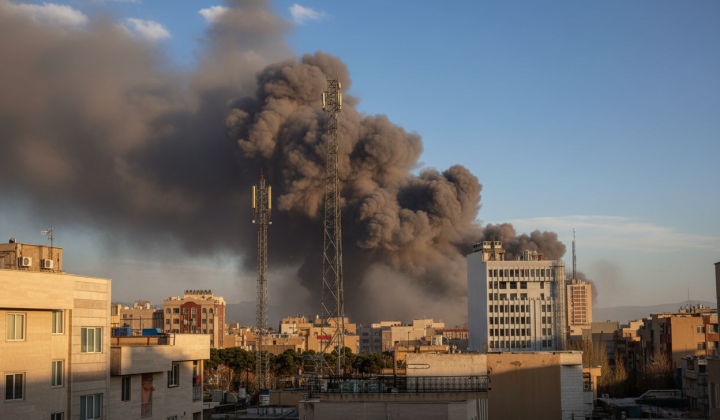
According to ХВИЛЯ: In a recent Geopolitical Futures podcast, analyst George Friedman argued that drones have fundamentally altered the nature of warfare, rendering large-scale ground invasions virtually impossible. His conclusion is drawn from observing the Russian invasion of Ukraine and the strategic standoff between the US and Iran. Modern conflicts, Friedman states, are no longer defined by close-quarters combat or artillery duels but have transformed into engagements where adversaries can be thousands of miles apart. This evolution represents a decisive break from the conventional warfare doctrines that dominated the 20th century.
Friedman, who chairs Geopolitical Futures, emphasized that new technologies, particularly drones, have revolutionized military tactics. He posed a rhetorical question:
“What does it mean to invade and occupy a country when you can be targeted with precision from thousands of miles away?”
This reality suggests that traditional warfighting methods-such as massive tank breakthroughs and infantry assaults that characterized conflicts from World War II to the 2003 Iraq invasion-have lost much of their effectiveness. The battlefield has expanded into a vast, sensor-saturated domain.
The Critical Role of Intelligence in Modern War
Friedman also pointed out that a key Russian miscalculation was failing to grasp the sheer volume of intelligence data Ukrainians receive from American and European allies. This information includes precise coordinates of Russian troop concentrations, which has profoundly impacted the course of the war. Conversely, Iran receives intelligence from Russian satellites, highlighting the pivotal role of information warfare and global intelligence partnerships in contemporary conflicts. The side with superior situational awareness now holds a decisive advantage.
The transformation in warfare that Friedman describes indicates that nations must urgently adapt their combat strategies to account for new technologies like drones and advanced information systems. This technological shift will likely force a widespread re-evaluation of military doctrines, as traditional approaches no longer meet the demands of modern battlefields. In an era of rapid technological advancement, the importance of real-time intelligence and information support has become absolutely critical to operational success, potentially reshaping global military balances.

Read also