Egypt Agrees to Halt Imports of Russian Grain from Occupied Ukrainian Lands Following Zelenskyy's Talks

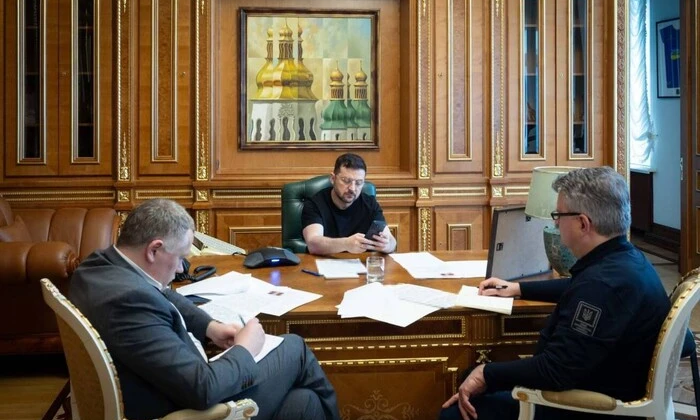
Ukraine and Egypt Hold Key Negotiations
According to Главком: Ukrainian President Volodymyr Zelenskyy held talks with Egyptian President Abdel Fattah el-Sisi. A significant outcome of the meeting was Egypt's commitment to stop accepting Russian grain exports originating from temporarily occupied Ukrainian territories. This move forms part of broader international efforts to support Ukraine against ongoing aggression. Egypt is a major global wheat importer, making its stance on this issue particularly impactful.
Egypt also expressed interest in increasing grain imports directly from Ukraine. Volodymyr Zelenskyy noted that:
“Egypt is also prepared to make efforts to achieve a just peace.” - Volodymyr Zelenskyy
The foreign ministers of Ukraine and Egypt agreed to maintain further contact to discuss key issues and develop bilateral cooperation.
The Ongoing Problem of Illegally Exported Ukrainian Agricultural Products
The negotiations also covered the situation in the Middle East and the Gulf region, and its impact on the global oil market. “Furthermore, the leaders discussed the situation in the Middle East and the Gulf region and its influence on the world oil market. I informed him about our meetings and agreements with countries in the region. Ukraine has significant potential for military-technical cooperation, and we are ready to work in this direction with Egypt as well,” Zelenskyy stated.
Meanwhile, the issue of the illegal export of Ukrainian agricultural products remains pressing. Belarus, in collaboration with Russia, is involved in this activity, moving produce from the temporarily occupied territories of Ukraine. Specifically, in 2025, over 2 million tons of grain were taken from these occupied areas. The stolen Ukrainian raw materials are transported to Belarusian processing plants, mixed with local harvests, and exported under a 'Made in Belarus' label.
- During 2023-2024, the Russian company Nika exported over 54,000 tons of wheat, taken from occupied Mariupol, to Turkey.
- Some of Nika's products reached the Turkish company Erisler, which is a participant in the UN World Food Programme.
The agreement between Ukraine and Egypt to ban imports of Russian grain from occupied territories is a crucial step in bolstering international support for Ukraine and countering aggression. It also highlights Egypt's growing role as a key partner in the agricultural sector. The illegal export of Ukrainian farm produce continues to be a serious problem affecting the global food market, demanding sustained international attention and action for resolution.
As the situation regarding grain imports evolves, the implications of international relations on agricultural trade become increasingly significant. For instance, Hungary's recent advocacy for the EU to reconsider fertilizer tariffs on Russia highlights the complex dynamics at play in the global agricultural market. Understanding such developments is crucial for grasping the broader context of Ukraine's agricultural challenges and international support efforts. Learn more about Hungary's motivations in this ongoing situation here.

Read also