Sweden’s Analysis Reveals Russia’s Economy Is Weaker Than Kremlin Claims

Swedish Assessment of Russia’s Economic Health
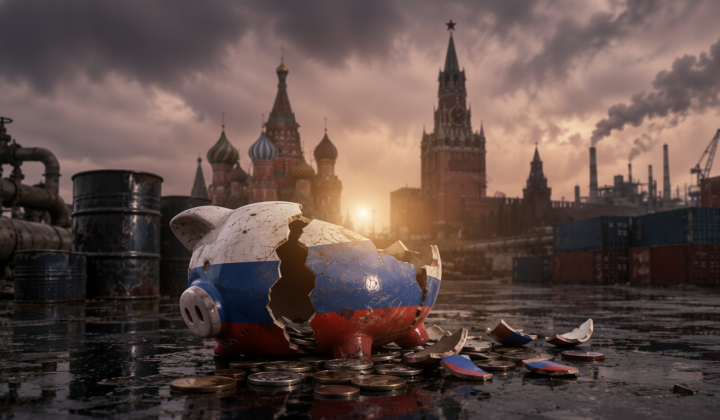
According to ХВИЛЯ: According to a column in The New York Times by Sweden’s Foreign Minister Maria Malmer Stenergard, the Russian economy is performing worse than official Kremlin statistics indicate. This conclusion comes from alternative calculations, satellite data on nighttime light emissions across Russian territory, and assessments by Swedish military intelligence. While Moscow reports a 13% GDP growth between 2020 and 2024, the Swedish study shows an 8% contraction over the same period.
Inflation and Energy Sector
Russia’s official inflation rate for 2024 was 10%, with the Central Bank raising its key interest rate to 21%. However, Swedish military intelligence estimates actual inflation is closer to 15% of the policy rate, not the stated 5.2%. Last week, the price of Urals crude hit $94.87 per barrel-its highest since 2023. For the Russian budget to see meaningful benefit, oil prices would need to stay above $100 per barrel through year-end.
The Russian government predicts a shortage of 3.1 million workers by 2030, and over the next five years, a total of 11 million jobs could be lost due to retirements. President Vladimir Putin’s approval rating has dropped to 65.6%, down from 77.8% at the start of the year, and from over 80% before the war.
“This would mean Russia is overstating its purchasing power, and its ability to finance military spending is weaker than it appears,” Stenergard wrote.
Not everyone agrees with Sweden’s assessment, but there is growing consensus on the overall fragility of the Russian economy. Domestically, elites are increasingly alarmed, as Stenergard highlighted.
“In nominal terms, Russia’s economy is barely larger than that of New York State, smaller than Texas, and fragile,” she added.
Experts note that inflationary pressure will persist for years due to demographic decline, mobilization, and high demand for labor in the defense industry.
This analysis underscores the severe economic challenges facing Russia and their potential impact on domestic politics. Rising inflation and a shrinking workforce could fuel social tension, which in turn may affect political stability. Given international criticism and the possibility of new sanctions, Russia’s economic situation could worsen, with serious consequences for its foreign policy and military ambitions.
As the situation unfolds, it's crucial to understand the broader implications of Russia's economic challenges. Recent reports indicate that the economy is unexpectedly shrinking even amidst rising oil prices. For a deeper look into how these dynamics are affecting Russia's financial stability, you can read more about the unexpected contraction in the economy here.

Read also