Iran's Military Arsenal: A Mix of Missile Strength and Air Defense Deficiencies

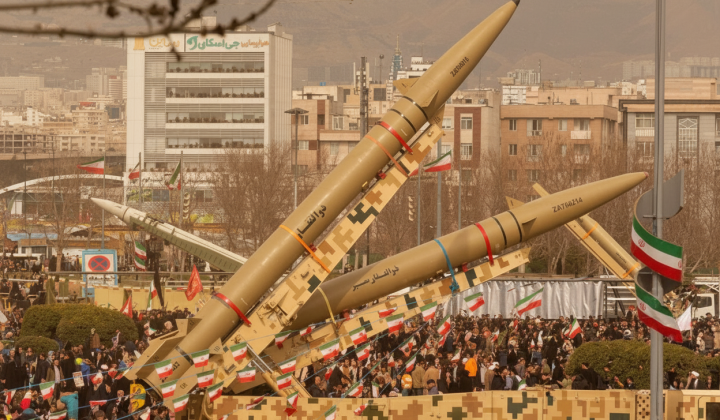
Iran's Military Capabilities in the Modern Era
According to ХВИЛЯ: Middle East expert Mohammad Farajallah has assessed Iran's military strength in light of recent regional events. He noted that decades of stringent international sanctions and technological isolation have resulted in significant gaps in the country's conventional weaponry. However, Iran has managed to cultivate strengths in its missile program and drone technology, which have become its key assets under current conditions. This analysis comes at a time of heightened regional tensions, where military posturing is closely scrutinized.
During an appearance on political analyst Yuriy Romanenko's broadcast, Farajallah emphasized that the current geopolitical landscape is seeing the formation of major blocs, with each side aiming to reveal its strengths and weaknesses.
"We are now in a stage where large blocs are forming, and before major conflicts, everyone wants the other side to be exposed so that its vulnerabilities and strengths become clear,"
the expert stated.
Critical Gaps and Iranian Adaptation
He also pointed to critical shortcomings in Iran's basic weapon systems, particularly the lack of a powerful air force and robust air defense systems.
"It has become clear that Iran lacks an air force; it turns out it does not have strong air defense, nor does it possess other means, for example, of destabilizing the region from within,"
remarked Farajallah.
Despite these deficiencies, Iran continues to develop alternative, more cost-effective strike tools, namely its arsenal of missiles and drones.
"But there is a missile program and drones. That's it, these are now revealed as its strong points,"
he summarized. Thus, despite existing problems, Iran demonstrates an ability to adapt to new challenges and develop its military capabilities within the constraints it faces. This focus on asymmetric capabilities is a defining feature of its defense strategy.
An analysis of Iran's capabilities underscores the importance of understanding the country's military strategy within the context of regional conflicts. The advancement of its missile program and drone technology could alter the balance of power in the Middle East, as these technologies grow increasingly significant in modern warfare. Simultaneously, weaknesses in traditional weaponry may affect Iran's ability to counter external threats, a factor worth considering in forecasts regarding regional stability.
As Iran grapples with its military limitations, the situation is further complicated by external factors such as missile shortages and environmental challenges. These issues not only strain Iran's defense capabilities but also highlight the urgent need for strategic adaptations in response to ongoing regional pressures.

Read also