Drone Strikes Cripple Key Terminals, Severely Limiting Oil Exports from Novorossiysk

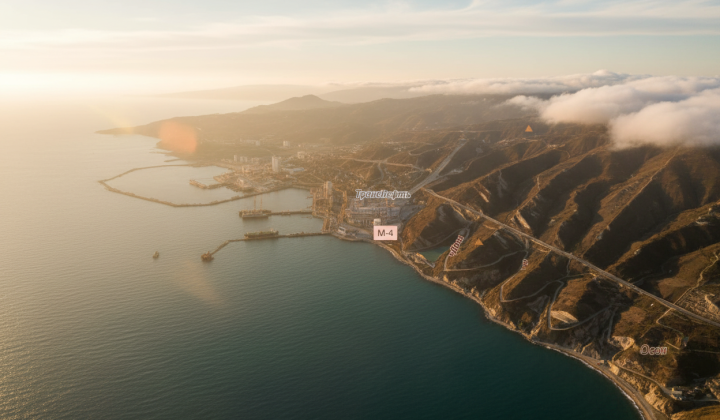
Novorossiysk Port Oil Exports Disrupted
According to Главком: Oil exports from Russia's largest Black Sea port, Novorossiysk, remain severely constrained following recent drone attacks. The two primary berths at the 'Sheskharis' terminal, operated by the state-owned pipeline monopoly Transneft, are still out of action. Berths No. 1 and 1a, which are designed to handle the larger Suezmax and Aframax class tankers, have not resumed loading operations since the strikes last week.
Currently, the only active loading point is Berth No. 2, which can accommodate only the smaller Aframax vessels. This bottleneck has drastically cut export volumes, as the port's main high-capacity infrastructure remains offline. These disruptions stem from two separate incidents: an attack on the night of March 2nd caused a major fire at the port and oil terminal, followed by another drone strike on Transneft's infrastructure on the night of April 6th. Novorossiysk is a critical outlet for Russian Urals crude, and these outages threaten to squeeze the nation's vital oil revenues.
Ongoing Challenges at Novorossiysk
Transneft, the company responsible for servicing oil tankers at the port, is facing significant operational difficulties due to the damage. The situation at Novorossiysk remains tense, with the potential to impact Russia's overall oil export capacity.
The ongoing export restrictions highlight the vulnerability of Russia's key energy infrastructure to external threats. As a major hub for oil shipments, a prolonged failure to restore the main berths could lead to reduced supplies on international markets and a consequent drop in export earnings. Given the current global economic climate and sanctions pressure, sustained damage to such a critical port could have serious repercussions for the Russian economy.
As the situation at Novorossiysk continues to evolve, Russia has issued warnings about potential halts in oil exports due to the ongoing drone attacks on key ports. This escalation not only threatens the immediate operations at Novorossiysk but also raises concerns about the broader implications for global oil supply and pricing amidst existing geopolitical tensions.

Read also