Ukraine's Energy Grid: When Will Emergency Blackouts Give Way to Scheduled Power Cuts?

Ukraine's Energy Grid: When Will Emergency Blackouts Give Way to Scheduled Power Cuts?
According to Главком: Following a meeting of the emergency response staff, Ukraine's Minister of Energy, Denys Shmyhal, provided an update on the state of the national power system and plans for electricity outages. This information was shared via Shmyhal's Telegram channel. He stated that January 22nd was the most difficult day for the energy grid since the nationwide blackout in November 2022. To preserve the integrity of the system, Ukrenergo, the national power company, has implemented special emergency disconnection schedules.
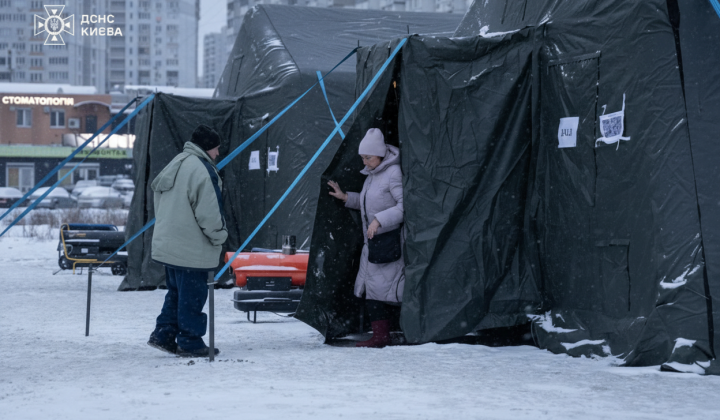
The situation remains severe due to a substantial power generation deficit. However, Denys Shmyhal noted that coordinated efforts by Ukrenergo and distribution system operators are showing a trend toward partial stabilization. The Minister expressed hope that in the coming days, it will be possible to gradually shift from emergency blackouts to scheduled, hourly power cuts.
Our objective is to move to predictable schedules involving up to 3-4 rolling blackout groups.
Denys Shmyhal
The Minister also reported that a full verification of cogeneration plants in Kyiv and the surrounding region has been completed, clearly defining their total number and operational status. Currently, only one-third of the commissioned capacity is actually supplying power to the grid. Authorities are working with local governments to ensure all these units become operational.
To bolster repair efforts, additional reserve crews are being formed. Every worker involved in emergency restoration will receive a bonus of 20,000 hryvnias for each of the months of January, February, and March.
Conclusions
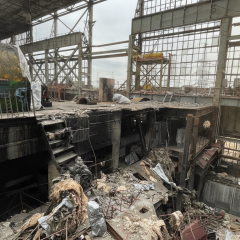
The state of Ukraine's energy system remains critical, demanding urgent measures to ensure stable power supply. A shift from emergency to scheduled outages could signal positive developments in the energy infrastructure, yet a significant capacity deficit persists, requiring continued effort. This ongoing crisis is a direct consequence of targeted attacks on energy infrastructure, which have severely damaged generation and distribution networks. A crucial part of the solution involves active cooperation with local authorities and investment in modernizing cogeneration plants, which could substantially improve the situation in the future.

Read also