EU Prepares Contingency Plans for Potential Orbán Victory: From Financial Pressure to Expulsion

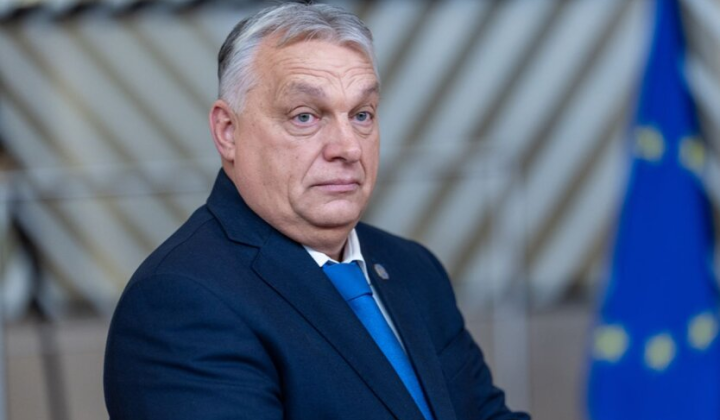
EU's Plans for a Potential Orbán Victory
According to ХВИЛЯ: The European Union is actively developing contingency plans in case Hungarian Prime Minister Viktor Orbán wins the upcoming election on April 12. This planning is driven by Hungary's blocking of a financial aid package for Ukraine, which was approved last December, and by accusations that Budapest maintains contacts with Moscow amidst the ongoing war in Ukraine-actions that have caused significant alarm among European leaders. The EU's relationship with Hungary has been strained for years over rule-of-law concerns, and a fresh Orbán mandate could force a decisive confrontation.
According to a consolidated poll, Orbán's 'Fidesz' party currently trails the 'Tisza' party of Péter Magyar by 9 percentage points. In response to the potential political shift, the EU is considering a range of measures, including:
- Altering voting procedures
- Applying financial pressure
- Suspending voting rights
- A potential expulsion of Hungary from the EU
Implementing such measures faces a major hurdle: EU qualified majority decisions typically require the backing of 55% of member states representing 65% of the bloc's population, a threshold that may be difficult to reach.
Negative Reactions to Hungary's Actions
Hungarian Foreign Minister Péter Szijjártó has reportedly used breaks during EU meetings to brief his Russian counterpart, Sergei Lavrov, a move that has drawn sharp criticism from other member states.
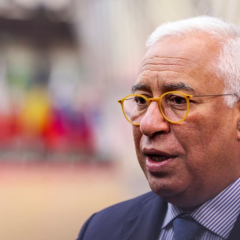
“No one can blackmail the European Council, no one can blackmail the European institutions. What Hungary is doing is absolutely unacceptable,” stated Portuguese Prime Minister António Costa.
In 2018, the European Parliament already triggered Article 7 proceedings against Hungary. It is noted that stripping a country of its EU voting rights requires the unanimous consent of the other 26 member states, and no country has ever been expelled from the Union. Respect for the rule of law is a mandatory condition for accessing EU funds, as emphasized by MEP Michael McGrath.
In turn, Hungarian politician János Bóka expressed concern: “If there is a real chance that we will not get access to EU funds at all, why should we adopt such a budget?” He stressed that even the Article 7 process itself exerts pressure on Hungary, creating nervousness, as stated by Gabrielius Landsbergis.
Thus, the situation surrounding Hungary remains tense, and the European Union's subsequent actions could significantly impact political and economic relations between Hungary and its European partners. This scenario underscores the complex dynamics within the EU, where internal political shifts in member states can rapidly alter strategic calculations.
As the EU navigates the challenges posed by Hungary's actions, the ramifications of Budapest's decision to block a substantial financial aid package for Ukraine are becoming increasingly evident. This situation illustrates the growing divisions within the bloc and highlights the potential consequences of Hungary's stance. For a deeper understanding of how these developments are impacting EU unity, read more about the fractured solidarity over financial aid to Ukraine.

Read also