Scientists Discover Unknown Virus Group That Sheds New Light on the Evolution of Cellular Structures

Revealing a Previously Unknown Virus Group
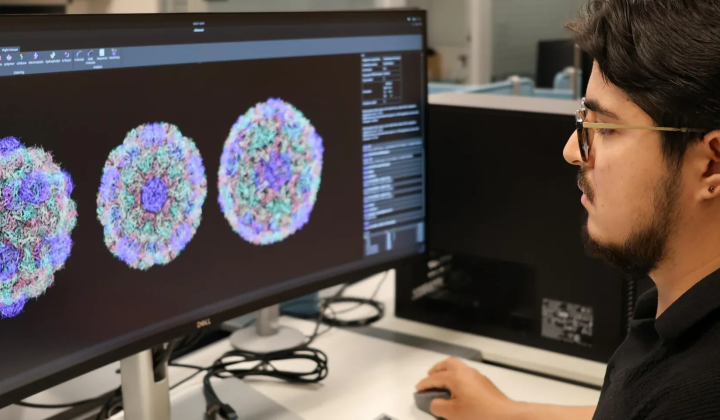
According to НВ — Техно: Researchers at the University of Miami have identified a novel group of viruses that fills a critical gap in the evolutionary timeline and challenges existing beliefs about the origin of early cellular components. Published in Nature Communications, the study focuses on encapsulins-protein-based compartments found inside bacterial and archaeal cells. While these structures were once thought to have viral origins, new findings suggest viruses and encapsulins may have co-evolved over millions of years through intricate biological interactions.
Essential Findings of the Study
The investigation centers on proteins featuring the HK97 fold, which are responsible for forming viral capsids and compartmentalizing cellular spaces. The newly discovered viruses possess smaller and simpler genomes compared to previously known viruses, highlighting their unique nature. Additionally, the team identified procapsids-immature viral shells-that appear capable of sustaining genetic and metabolic functions, potentially representing an evolutionary bridge between viruses and living cells.
Led by Antoni Luke Santolaria, the research group analyzed billions of DNA sequences from global genetic databases, employing advanced bioinformatics tools and artificial intelligence, including AlphaFold. Lead author Abelardo Aguilar emphasized the study’s significance:
“This is fundamentally linked to the origin of life, which revolves around isolating chemical reactions and genetic information.”
The article was published on November 23, 2026. These insights promise to profoundly impact our understanding of cellular evolution and the origins of life on Earth.
This breakthrough opens new avenues for exploring the evolutionary relationships between viruses and cells, offering valuable perspectives that could advance biological and medical research. The discovery of these viruses and their interactions with cellular structures underscores the importance of studying evolutionary mechanisms to unravel the complexities of life and develop future antiviral therapies.
The ongoing exploration of genetic influences on human biology continues to yield fascinating discoveries. For instance, a recent study has uncovered a Neanderthal DNA segment that appears to impact brain structure and reduce the risk of schizophrenia. This research not only sheds light on our evolutionary past but also highlights the intricate connections between ancient genetics and modern health outcomes.

Read also