As the US Steps Back, Europe Takes the Lead in Supporting Ukraine

The War in Ukraine and Europe’s Growing Role
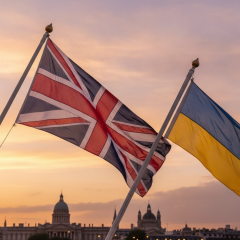
According to ХВИЛЯ: The conflict in Ukraine has entered a new phase, with European nations now providing nearly all of the assistance to Kyiv following the United States’ withdrawal. Capitals across Europe-including London, Paris, and Berlin-are engaged in intense discussions about their strategy for supporting Ukraine, yet they currently lack a clear plan beyond simply keeping the country afloat. Recent developments indicate that the integration of European defense efforts continues to advance. A Franco-British initiative has introduced monitoring for a potential ceasefire, and this month, disbursements are set to begin for a €90 billion ($105 billion) loan.
Negotiations and Ukraine’s Future
Discussions about possible negotiations are taking place among the so-called Big Three: Britain, France, and Germany. Eastern European nations, particularly Poland, have expressed concerns that the West might attempt to reset relations with Russia. Talks about a potential ceasefire include a demand that Ukraine give up part of its territory in the eastern Donbas region. The timeline for Ukraine’s EU accession remains uncertain: recent estimates suggest it could take around ten years, even though 2027 had previously been mentioned as a target date.
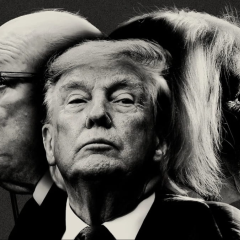
German Chancellor Friedrich Merz has proposed offering Ukraine an associate membership in the EU. According to Alexander Gabuev, director of the Carnegie Center in Berlin, this is the best Ukraine can realistically hope for. Ukrainian President Volodymyr Zelenskyy has called the proposal unfair. While Russia intensifies its strikes on Kyiv and other cities, Ukraine continues to ramp up its own weapons and drone production. Zelenskyy has also signed an agreement with Sweden for the supply of fighter jets and sent a letter to former U.S. President Donald Trump requesting Patriot interceptor missiles.
France will hold elections next year, which could affect Europe’s commitments to Ukraine. The far-right National Rally party may try to scale back some of the obligations taken on by European states. As French President Emmanuel Macron stated,
“We will be part of the solution, and we must be part of the discussion.”
Meanwhile, Estonian Defense Minister Margus Tsahkna remarked,
“We are not opposed to negotiations if they are real. But for now, there is nothing to talk about.”
With Europe emerging as the primary actor in supporting Ukraine, it is crucial to consider all the risks and consequences that may arise. As expert Fabrice Pothier noted, “This is already clearly Europe’s war. The question is whether it can become Europe’s peace.”
The situation in Ukraine remains complex as European countries try to find effective ways to provide support while managing domestic political risks and potential shifts in attitudes toward the conflict. Proposals for new forms of cooperation and negotiation-such as associate membership-show that discussions in Europe are ongoing, and these could significantly shape Ukraine’s future. At the same time, the intensification of military aid from EU member states reflects a determination to keep Ukraine on the path toward integration into European structures. It is essential that all participants in the dialogue are ready to take concrete actions that could lead to stability in the region.
As Europe steps up its support for Ukraine, recent developments, such as Hungary's decision to unblock EU funds, highlight the shifting dynamics in the region. This change may significantly impact the ongoing discussions around military and financial assistance, underscoring the urgency for a cohesive European strategy amidst an evolving geopolitical landscape.

Read also