Slovak PM Fico Sets Condition for Talks with Zelenskyy: Russian Oil Transit Must Be on Agenda

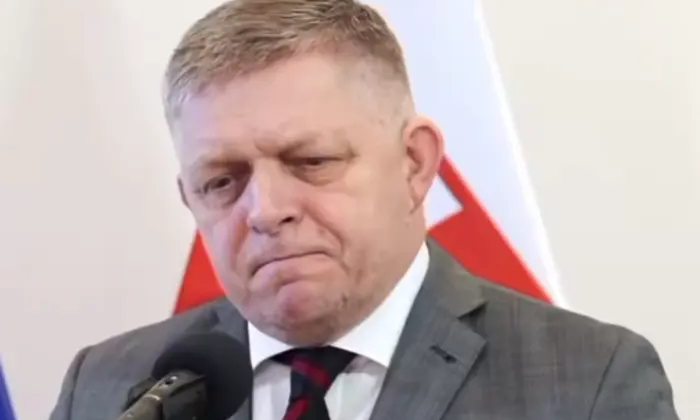
Potential Meeting Between Fico and Zelenskyy
According to Главком: Slovak Prime Minister Robert Fico has outlined a prerequisite for a meeting with Ukrainian President Volodymyr Zelenskyy, linking it to discussions with the European Commission about the transit of Russian oil via the 'Druzhba' pipeline. In a social media post dated March 4, 2026, Fico stated his interest in meeting Zelenskyy but believes a prior meeting with the President of the European Commission is necessary. He added that he is traveling to Paris for a nuclear forum on Tuesday and will attempt to arrange a meeting with the head of the European Commission during his visit to France.
Fico emphasized the importance of pressuring President Zelenskyy to allow on-site inspections and to continue pushing him to permit the transit of oil through Ukrainian territory.
"Because he is causing harm to the entire European Union and, of course, will receive nothing in return. On the contrary, he is losing support from an increasing number of countries," Fico noted.
Slovakia Halts Emergency Power Supplies to Ukraine
In a separate development, the Slovak government has decided to terminate emergency electricity supplies to Ukraine. The state-owned company SEPS plans to terminate its contract with 'Ukrenergo'. The last emergency power supply was carried out in January. Martin Magat, the director of the Slovak electricity transmission system operator SEPS, confirmed this information, stating the decision resulted from new circumstances. This move comes as Ukraine continues to face challenges in stabilizing its energy grid following wartime damage.
Slovakia's decisions concerning Russian oil transit and halting power supplies to Ukraine signal a shift in its political stance towards the country. A potential meeting between Fico and Zelenskyy could become a crucial juncture for discussing energy issues that significantly impact bilateral relations. Simultaneously, the cessation of electricity supplies underscores growing strains in the bilateral relationship, which could affect Ukraine's energy security amid the ongoing conflict. These events highlight how regional politics and energy dependencies remain pivotal factors in international relations across Eastern Europe.

Read also