Ukrainian Merely an Option at Lawmaker Babenko's Fitness Club, Journalist Reports

Service in Russian Language Sparks Boycott
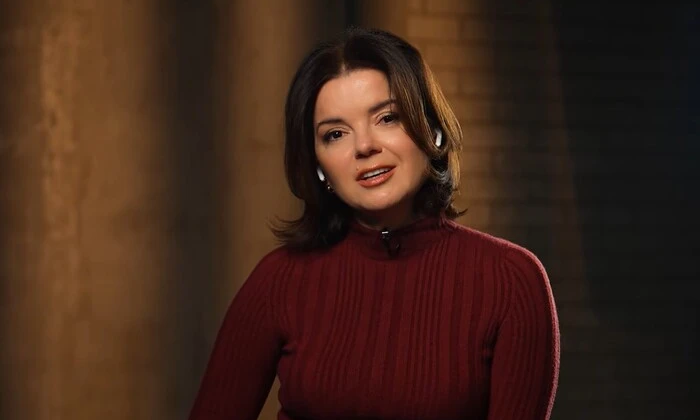
According to Главком: In autumn 2024, journalist Marichka Padalka announced she would stop attending the 2BFit fitness club after encountering issues trying to book a group class in Ukrainian. Padalka stated that Ukrainian was not the standard language of service at the club, but merely an optional alternative. She expressed her frustration, questioning,
"why, in the center of Kyiv in 2026, Ukrainian is still not the basic standard for service."
This incident highlights the ongoing cultural and political tensions surrounding language use in Ukraine since Russia's full-scale invasion.
Escalation and Wider Pattern of Incidents
The story gained traction when Kateryna Gradnova-Savytska, the wife of an Azov veteran, joined Padalka's criticism. After Gradnova-Savytska complained about the service, the club offered to cancel her membership and refund her money. Following Padalka's public support for her, the club requested the journalist delete her social media stories discussing the issues. Padalka emphasized the difficulty of hearing the language of the aggressor country treated as a service norm while living in a nation at war.
Language-related conflicts in Ukraine extend beyond this single fitness club. A similar dispute occurred with blogger Andriy Pavlenko at the Dobrobut private medical clinic network in Kyiv. At the Novo Medical Center in Lviv, an administrator refused to communicate with a client who spoke Russian. Another incident in the city of Dolynska, Kirovohrad region, where a language conflict in a store led to a criminal case being opened.
The founder of the 2BFit club is Member of Parliament Mykola Babenko, who serves as secretary of the parliamentary committee on social policy and veterans' rights protection. This connection has fueled public discussion about language norms in contemporary Ukraine and the expectation for service in Ukrainian. These recurring conflicts underscore the heightened societal sensitivity to language as a core element of national identity, particularly during wartime, and signal a broader push for Ukrainian to become the principal language of communication in all spheres of public life.
This incident is part of a broader trend of language-related disputes in Ukraine, reflecting ongoing cultural tensions. For example, a recent case involving a gym severing ties with a member after a similar complaint highlights the growing sensitivity around language use in public services. To learn more about this developing situation, read about the controversy at a Kyiv fitness center.

Read also