Gene Therapy Restores Retinal Nerve Connections, Halting Inherited Blindness in Dogs

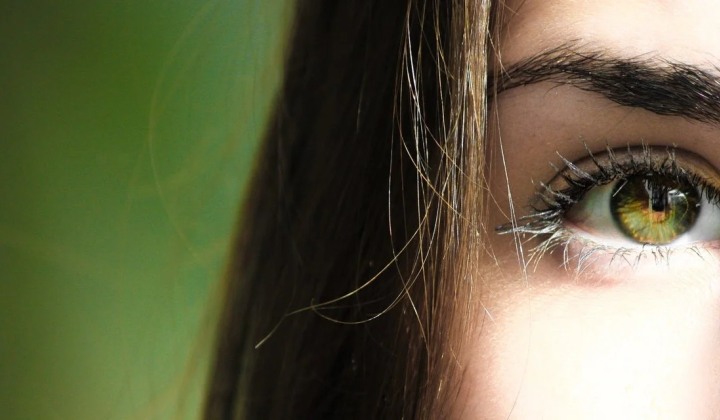
Breakthrough Gene Therapy Offers Hope for Canine Blindness
According to НВ — Техно: On October 6, 2023, scientists at Michigan State University announced a major advance in treating inherited blindness in whippet dogs using a single-dose gene therapy. This innovative treatment successfully stopped the progression of vision loss caused by genetic mutations in the CaBP4 gene, which is crucial for producing a protein that facilitates chemical signaling in the retina. By repairing damaged nerve connections in the retina, the therapy helped restore sight in affected animals.
Study Findings and Long-Term Impact
Researchers injected a harmless virus carrying a functional copy of the CaBP4 gene directly into the dogs' retinas. Following treatment, the dogs showed significant improvements in vision, particularly in low-light conditions. The treated retinal areas exhibited less deterioration, with a notable thickening of the outer plexiform layer (OPL). Additionally, an increase in synaptic ribbons within light-sensitive retinal cells was observed. Importantly, these therapeutic effects persisted throughout a three-year monitoring period.
Even after substantial retinal developmental damage, the team detected signs of nerve cell remodeling.
“We identified three distinct structural changes that highlight the plasticity of the adult retina. Not only were new components introduced, but existing abnormalities were also corrected,” said Billy Beckwith-Cohen, one of the study's lead researchers.
However, the researchers caution that it remains uncertain whether this approach will produce similar results in human patients.
This success underscores the remarkable adaptability of the adult retina and opens promising avenues for treating genetic vision disorders. Future research will focus on exploring the potential of gene therapy to address comparable inherited eye diseases in humans, potentially revolutionizing treatment strategies for blindness and other genetic visual impairments.

Read also