Hitler's DNA from the Sofa: What Secrets Genetic Analysis Revealed


Scientists Discovered Genetic Features in Hitler's Blood
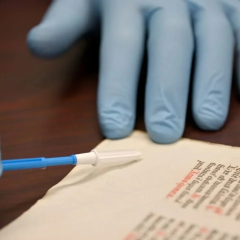
According to glavcom.ua: British researchers studied blood from the sofa where Adolf Hitler shot himself and found a rare genetic disorder - Kallmann syndrome - as well as a predisposition to mental disorders. The results of the analysis served as the basis for the film 'Hitler's DNA: Blueprint of a Dictator', which airs on November 15 on the British channel 'Channel 4'.
Kallmann Syndrome and the Likelihood of Genetic Predispositions to Disorders
According to the leading geneticist of the project, Professor Turi King, Hitler had Kallmann syndrome, which slows down sexual development and lowers testosterone levels. This feature helped him avoid sexual relationships and focus more on politics. The research also suggests that Hitler may have had genetic predispositions to autism, schizophrenia, and bipolar disorder.
“If he had seen his genetic results, he would have sent himself to the gas chamber,” said Professor King. “He could have had the darkest genome on Earth. It would not have been easy to endure.”
Analysis of Genetic Data and Origins
The study also confirmed that Hitler did not have Jewish ancestry, as some believed. His genes indicate Austrian-German ancestry. Historian Alex J. Kay notes that this information cannot fully explain or justify Hitler's actions.
“Many known Nazis had families, but Hitler was unique in this regard, he had no family,” added Kay.
Previously, UFC fighter Bryce Mitchell noted that Hitler might have been a good man before he became addicted to drugs, which affected his behavior.
The analysis of Hitler's DNA records revealed a rare genetic disorder and a possible predisposition to mental disorders, as well as confirmed his Austrian-German ancestry, excluding Jewish origins. These findings change the perception of a significant figure and open new avenues for understanding history.

Read also