Plague Linked to Genetic Discontinuity in 3000 BCE Tomb, Archaeologists Reveal

Investigating a Genetic Gap
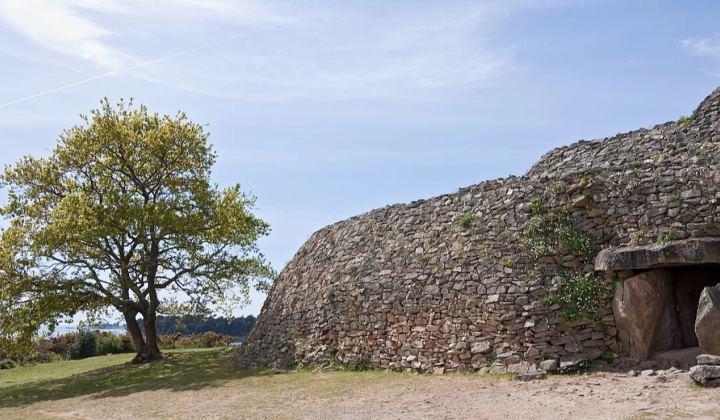
According to НВ — Техно: A study published in the journal Nature Ecology & Evolution on July 8, 2026, has uncovered a genetic discontinuity between two distinct phases of use at the Gavrinis passage tomb, separated by a demographic crisis around 3000 BCE. Researchers from the University of Copenhagen conducted DNA analysis that revealed a complete genetic break between the communities of these two periods. The earlier population belonged to Neolithic farming groups from northern France and Germany, while those who resettled the area after the catastrophe showed genetic ties to southern France and the Iberian Peninsula.
Pathogens Detected and Shifting Social Structures
The research also identified traces of pathogens, including the plague bacterium (Yersinia pestis) and the agent responsible for relapsing fever (Borrelia recurrentis). Archaeologists from the French National Centre for Scientific Research (CNRS) recorded an unusually high mortality rate among children and young adults during the early period. At that time, the tomb was used to bury multiple generations of a single extended family. In the later period, burials became selective, with the tomb primarily holding individuals from one male lineage.
The construction of megalithic tombs across Western and Northern Europe ceased around the same time, suggesting shared causes for this collapse, including:
- disease
- environmental stress
- other crises of the era
These findings, published in Nature Ecology & Evolution, underscore the importance of studying ancient genetic connections to understand human history.
The results carry significant implications for understanding the social and environmental conditions that shaped early civilizations. The identified genetic gap points to possible catastrophic events that may have altered the demographic structure of the population. The study highlights that changes in burial practices can also reflect social transformations driven by such crises.

Read also