UN Chief Warns of Global Disaster as Middle East Conflict Spirals Out of Control

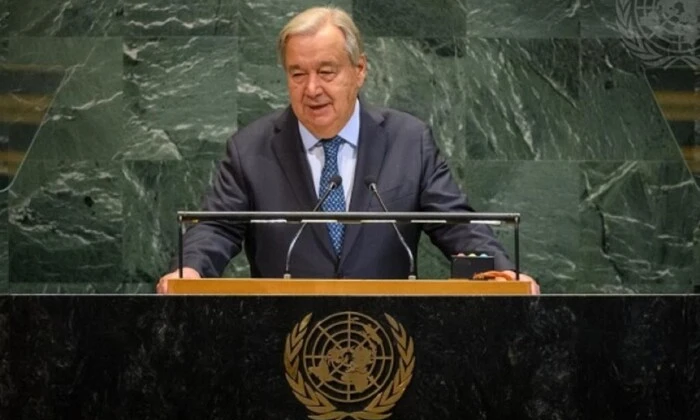
Statement from the UN Secretary-General
According to Главком: UN Secretary-General António Guterres has issued a stark warning that the ongoing Middle East conflict risks escalating into a global catastrophe. He urgently called for an immediate ceasefire and a renewed commitment to diplomatic solutions. The conflict, now in its second month, is having severe repercussions that extend far beyond the region. The Middle East is a critical geopolitical flashpoint, and instability there often sends shockwaves through global markets and international security.
Consequences of the Conflict
One significant consequence has been the restriction of maritime freedom in the Strait of Hormuz, a vital shipping lane, which is severely impacting energy and food prices worldwide. Guterres stated that
“we are on the brink of a wider war that could engulf the entire Middle East with dramatic consequences for the world.”
He stressed the critical need to halt the 'spiral of death and destruction' perpetuated by the ongoing hostilities.
The UN Secretary-General further emphasized that dialogue is the only viable path to resolving conflicts.
“Conflicts do not end by themselves. They end when leaders choose dialogue over destruction. That choice still exists. And it must be made now.”
He confirmed he is maintaining constant contact with the parties involved in an effort to find a sustainable path to peace and regional stability.
The gravity of this warning underscores the escalating tensions in the Middle East and their potential for severe global political and economic fallout. Given the region's strategic importance to global energy supplies, any further escalation threatens to destabilize not only the nations directly involved but the entire international community.
As the situation in the Middle East intensifies, the implications for modern warfare are becoming increasingly evident. In a related context, emerging technologies are reshaping military strategies, which could further complicate conflict dynamics and global security. Understanding these developments is crucial for grasping the broader consequences of ongoing geopolitical tensions.

Read also