SpaceX Shifts Priority from Mars to a Lunar City Within a Decade, Musk Announces

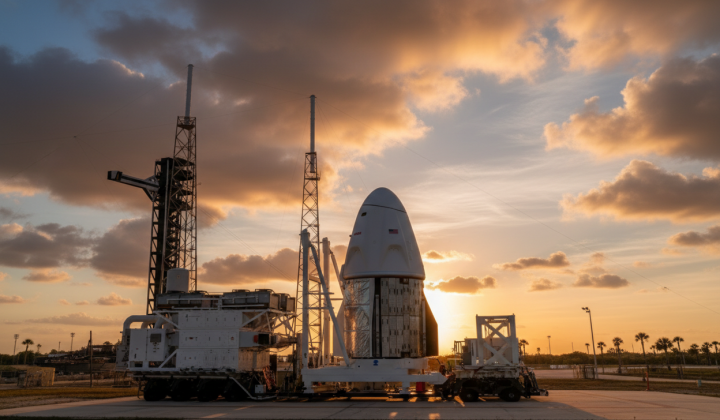
SpaceX Announces a Major Strategic Shift
According to Главком: Elon Musk has declared a pivot in SpaceX's primary focus, moving from the colonization of Mars to the construction of a self-sustaining city on the Moon. According to Musk, this lunar project could be realized in under 10 years, whereas establishing a Martian colony would take more than 20. While plans for Mars are not canceled, their implementation will be delayed by 5 to 7 years. This strategic realignment highlights the evolving challenges and opportunities in human space exploration.
Musk cited several key logistical advantages for this change in direction:
- Launch windows to the Moon open approximately every 10 days, compared to only once every 26 months for Mars due to planetary alignment;
- The journey to the Moon takes a mere two days, a stark contrast to the six-month voyage required to reach Mars.
Musk emphasized that these factors would allow SpaceX to achieve its ambitious goals at a significantly accelerated pace.
'This means we can build a city on the Moon much faster than on Mars.' - Elon Musk
It is worth noting that Elon Musk's net worth has surpassed $800 billion. Following the merger of SpaceX and xAI, his wealth increased by $84 billion to reach $852 billion. The total valuation of the newly combined company is estimated at approximately $1.25 trillion.
Potential Impact on Space Technology
This strategic shift could substantially influence the direction and development of space technology in the near future, as SpaceX continues to pioneer new pathways for expanding humanity's presence beyond Earth. Musk's decision to prioritize the Moon may signal confidence in the maturity of technologies developed for shorter-duration spaceflight. This focus could also unlock new opportunities for commercial ventures and scientific missions in cislunar space.
This reprioritization is likely to drive improvements in lunar infrastructure and renew interest in Earth's satellite, potentially stimulating further technological innovation and investment across the broader space industry.

Read also