Blocking cDC1 Immune Cells Protects Nerve Cells in Alzheimer's Mouse Models by Preventing Brain Attack

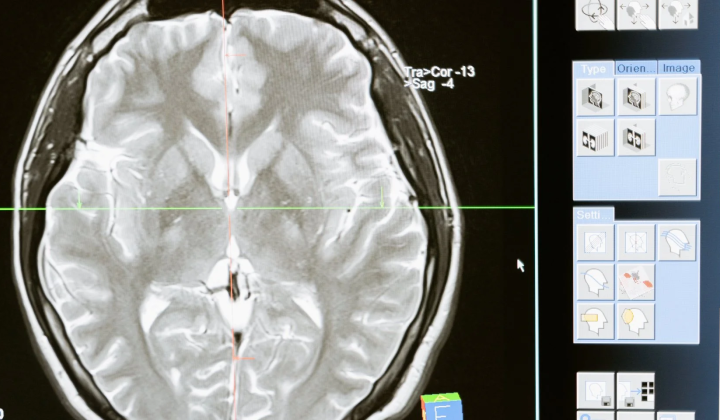
Immune System’s Role in Alzheimer’s Brain Damage
According to НВ — Техно: Researchers at Washington University School of Medicine in St. Louis have uncovered how immune cells contribute to brain damage in Alzheimer’s disease by receiving activation signals within lymph nodes. Using mice that develop tau protein buildup in their brains, the team demonstrated that inhibiting a specific subset of dendritic cells, called cDC1, significantly reduced nerve cell injury and preserved cognitive function-even though tau levels remained unchanged.
Tau protein accumulation is a hallmark of Alzheimer’s and related tauopathies. Studies show that brains of affected individuals contain far more T cells than those of healthy people. Previous experiments revealed that removing T cells from mouse brains can lessen nerve cell damage.
Dendritic Cells as Key Drivers and Therapeutic Targets
The first type of dendritic cells (cDC1) plays a crucial role in presenting antigens to T cells and initiating immune responses. When cDC1 were eliminated from lymph nodes and other tissues in mice, the usual increase of T cells in the brain was prevented. This led to a marked decrease in neuronal damage while tau protein deposits remained consistent.
Mice lacking cDC1 maintained their cognitive abilities, suggesting a promising new approach to Alzheimer’s treatment. The study indicates that tau-associated brain cell injury releases substances that travel to the neck lymph nodes. There, dendritic cells detect these signals, activating T cells that then migrate to the brain to cause further damage. The exact molecular trigger behind this immune activation remains unclear.
Currently, researchers are exploring whether inhibiting dendritic cell activity during early tau accumulation could be effective in adults. However, since these findings come from mouse models, their applicability to human patients is still unproven. This study was published on September 24 at 14:04.
These insights could significantly influence future strategies for fighting Alzheimer’s disease. By identifying how immune cells drive neurodegeneration, new therapies might be developed to halt or reduce brain damage. Ongoing research will determine if these discoveries can translate into treatments for people suffering from this debilitating condition.
Understanding the mechanisms of neurodegeneration in Alzheimer’s is crucial for developing effective treatments. Recent findings highlight the role of fibronectin protein in compromising the blood-brain barrier, which may contribute to the pathology of the disease. To explore this connection further, read about how fibronectin affects brain barrier integrity and its implications for Alzheimer’s research.

Read also