A Picasso for $100: Engineer Wins Masterpiece in Charity Raffle Raising Millions for Science

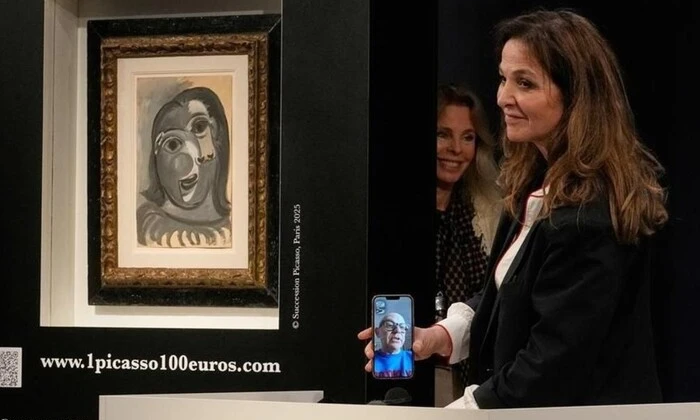
Winning a Picasso Masterpiece
According to Главком: Engineer Ari Godard, 58, has won a 1941 Pablo Picasso painting titled 'Head of a Woman' in a charity lottery called 'Picasso for 100 Euros.' The gouache-on-paper work depicts the French surrealist photographer Dora Maar. Godard purchased a $100 ticket and learned of his life-changing win via a phone call from Christie's auction house in Paris. This single raffle successfully generated 12 million euros to fund Alzheimer's disease research, demonstrating the powerful intersection of art and philanthropy.
Previous Picasso Lottery Prizes
A total of 120,000 tickets were sold worldwide. From the total proceeds, 1 million euros will go to the gallery that was the painting's previous owner. This is not the first time a Picasso has been a lottery prize. In 2013, a Pennsylvania man won the 1914 painting 'Man in an Opera Hat,' and in 2022, an Italian accountant won 'Still Life.' Those two earlier raffles raised approximately 10 million euros to support cultural projects in Lebanon and water supply programs in Africa.
Ari Godard shared his reaction:
“How am I supposed to know this isn't a joke? I was stunned, that's all. When you enter something like this, you don't expect to win... But I'm very happy because I'm actively interested in painting, and this is wonderful news for me.”
Not all stories involving Picassos have such positive outcomes. A separate painting valued at $650,000 disappeared en route to a museum in Spain. A van transporting artworks left Madrid for Granada on October 2nd, but the Picasso was missing when the vehicle arrived at the museum on October 3rd.
Winning a Picasso in a charity raffle was a personal triumph for Ari Godard and generated vital funds for important research. This case highlights how cultural initiatives can successfully blend art with social responsibility. Furthermore, lotteries with prizes from famous artists are growing in popularity, reflecting a broadening public interest in fine art. Such events not only support culture but also draw attention to urgent social issues, like combating diseases in need of immediate funding.

Read also