Pakistan Mediates Ceasefire Talks Between Iran and the United States

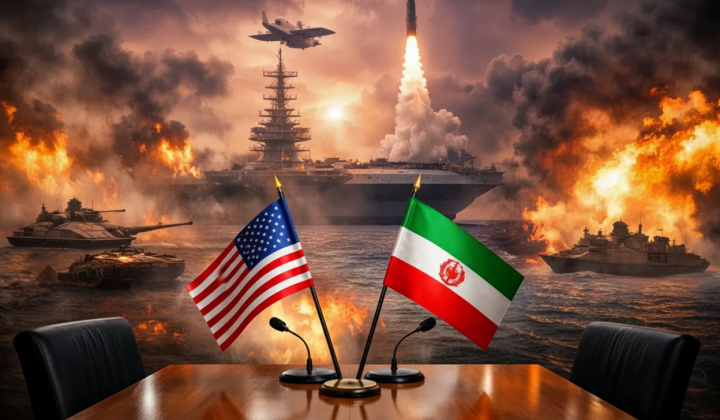
Iran and the United States in Negotiations
According to Главком: Iran and the United States are engaged in talks aimed at reaching an agreement for a ceasefire, a temporary truce, or a complete cessation of hostilities. The process is being coordinated by Pakistan's Army Chief, General Asim Munir, highlighting the crucial role of a third-party mediator in resolving the conflict. This development comes amidst heightened regional tensions that have drawn in multiple international actors.
Pakistani Prime Minister Shehbaz Sharif has proposed a two-week truce between the parties. He has also suggested opening the Strait of Hormuz as a goodwill gesture, creating a pause to allow diplomatic negotiations to conclude. Such a move could represent a significant step toward de-escalating regional tensions.
U.S. Military Costs and Administration Response
For its part, the United States has spent between $22.3 and $31 billion on its military operation against Iran over the past five weeks. Former President Trump is reportedly planning to consider a call to delay scheduled attacks on Iran's energy infrastructure and bridges by two weeks. Importantly, White House Press Secretary Karoline Leavitt has stated that the President has been briefed on the proposal and a response will be forthcoming.
These negotiations and the Pakistani Prime Minister's initiatives underscore the growing role of international players in mediating Middle Eastern conflicts. Maintaining regional stability is critically important not only for neighboring nations but also for global security, as such conflicts can have wide-reaching consequences. The situation remains tense, and the next steps taken by the involved parties will determine the course of events in the immediate future.
As the situation unfolds, Pakistan's role as a mediator is becoming increasingly significant. In light of these negotiations, Pakistan has proposed to facilitate peace talks between the U.S. and Iran in the near future, which could further influence the diplomatic landscape and potentially lead to a more stable regional environment.

Read also