Iran Rejects UAE Accusations Over Attacks and Warns of Retaliation

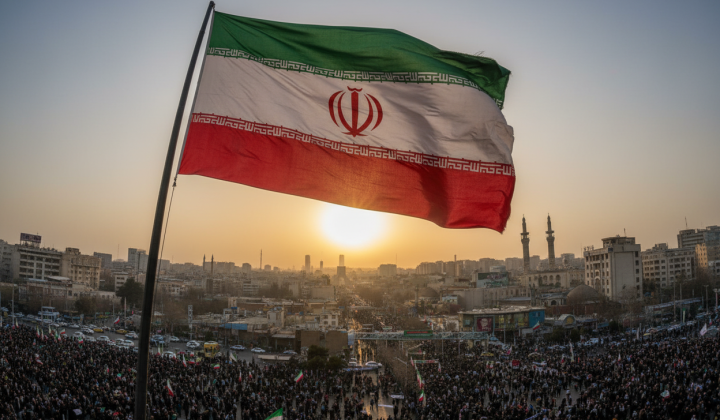
Rising Tensions Between Iran and the UAE
According to Главком: Iran's military command has firmly denied allegations from the United Arab Emirates (UAE) regarding missile strikes and drone attacks. In response to these claims, the UAE's defense ministry reported that three individuals were injured and a fire broke out at the Port of Fujairah, caused by a drone. The Khatam al-Anbia headquarters in Iran issued a warning to the UAE, emphasizing its readiness to deliver a harsh response if any aggressive actions originate from Emirati territory against Iranian coastal areas or islands. This exchange adds to the broader regional instability, as both nations hold strategic positions in the Persian Gulf.
Assaults on UAE Territory
According to the UAE Ministry of Defense, Iran has been conducting attacks on UAE soil for a second consecutive day, deploying missiles and unmanned aerial vehicles. The UAE's air defense systems are actively countering these aerial threats, with explosions heard by local residents resulting from interception operations against rockets and drones. The previous day, the UAE recorded a missile assault from Iran, marking the first such incident since the ceasefire agreement with the United States. The defense ministry reported that four missiles were launched; three were intercepted over territorial waters, while one landed in the sea.
Additionally, a fire erupted in the oil industrial zone at the Port of Fujairah, a critical hub for petroleum product transshipment. Iran has also urged the UAE authorities not to allow their territory to be used for stationing U.S. or Israeli military forces, further underscoring the volatility in the region. The situation remains highly tense, and the next moves by either side could significantly shape the conflict's trajectory in the Persian Gulf.
The growing friction between Iran and the UAE highlights an escalation of conflict dynamics in the region, with potential serious repercussions for the stability of the Persian Gulf. Given the UAE's role as a vital transit point for oil, ongoing military operations could impact global energy markets. Analysts suggest that further escalation might necessitate international intervention or intensified diplomatic efforts to resolve the dispute.
The ongoing tensions in the Persian Gulf are further complicated by external threats, as highlighted in the recent warning from the U.S. regarding Iran's potential actions. This situation bears resemblance to previous incidents where military posturing has escalated rapidly. For a deeper understanding of the implications and potential consequences of Iranian aggression on international shipping, read more about Trump's stern warning to Iran.

Read also