Iran Restores Majority of Missile Bases Following U.S. and Israeli Strikes

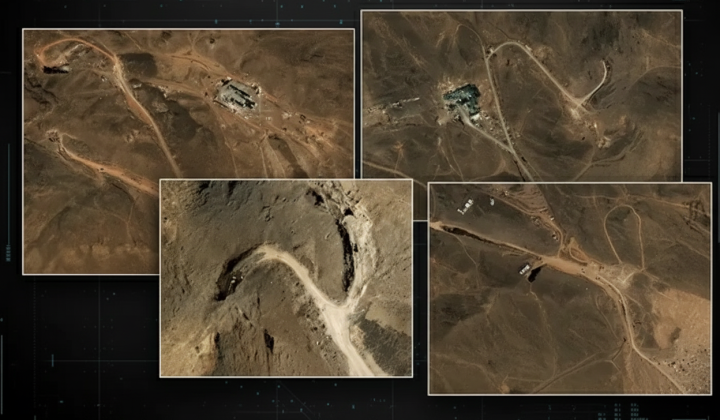
Iranian Missile Sites Rebuilt
According to Главком: Using bulldozers and dump trucks, Iranian crews have cleared debris and reopened most underground missile facilities damaged by U.S. and Israeli airstrikes. A CNN analysis of satellite imagery reveals that Tehran has unblocked 50 out of 69 tunnel entrances that were collapsed by explosions. This reconstruction effort took place just weeks after a ceasefire was announced, underscoring Iran's rapid response capabilities.
Satellite photos also show fresh asphalt on two sites. At the Dezful base, for example, 4 of 5 blocked entrances were open as of May 12, while 1 remains buried. The Isfahan complex displayed at least 18 new craters near two entrances. Additionally, near the city of Khomein, satellites captured at least a dozen construction vehicles simultaneously excavating one entrance.
Expert Assessment
Experts estimate that Iran's underground arsenals hold roughly 1,000 missiles. U.S. officials confirm that Iran has surpassed the recovery timelines projected by the intelligence community. One American official stated:
“The Iranians have beaten every recovery timeline the intelligence community had projected.”
This situation could have serious regional consequences, as Iran's missile base restoration occurs within hours of strikes. Sam Lair, a researcher at the James Martin Center for Nonproliferation Studies, noted:
“There is nothing preventing the launchers from being reloaded with the substantial missile stockpile that Iran still possesses.”
It is worth noting that the U.S. and Israel spent months disabling these facilities through airstrikes, targeting factories producing electronics, missile fuel, and casings. Tehran has already rebuilt some of those plants, confirming its ability to rapidly restore military capabilities. As of early April this year, Iran retained roughly half of its launchers and thousands of attack drones. Former U.S. Defense Secretary Pete Hegseth had claimed that 'Iran will be digging through rubble with no chance of replacement.'
The restoration of Iran's missile sites highlights the country's capacity to quickly counter external threats and sustain its military power despite international sanctions and airstrikes. This underscores the need for ongoing monitoring, as Iran continues to strengthen its defenses, potentially impacting regional stability and security. With rising tensions between Iran and its adversaries, such actions could trigger further conflicts and escalate the situation in the Middle East.
The swift restoration of Iran's missile facilities raises concerns about the country's military capabilities. This development follows a recent report highlighting Iran's resumption of drone and missile production despite ongoing U.S. strikes. For further insights into how Iran is managing to rebuild its military assets amidst external pressures, read more about the resumption of its drone and missile production.

Read also