A Yale historian identifies three parallels between today and 1914

Assessing the current global landscape
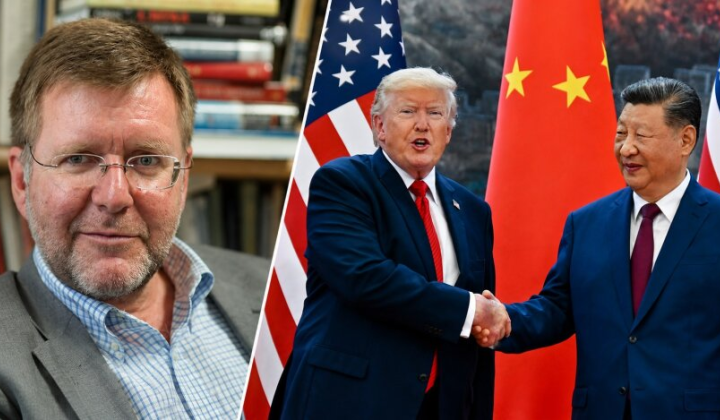
According to ХВИЛЯ: Odd Arne Westad, a professor at Yale University, draws comparisons between today's international climate and the period just before World War I in his book 'The Coming Storm' and during an appearance on the Decoding Geopolitics podcast. He points to three key similarities that highlight dangers facing the world. Westad emphasizes that the United States now leads the dismantling of the global order-a dramatic shift from Britain's role in the early 20th century. He notes that the U.S. is moving faster and going further in this process than Britain did before 1914.
Core elements of contemporary politics
Among the main issues Westad raises is the failure to integrate an emerging power-in this case, China-mirroring the situation with Germany a century ago. He also observes that uncertainty surrounding alliances is a critical factor, as this very ambiguity led some German elites to conclude that 'if a clash is inevitable, better now.' Westad stresses that:
“What led to war in 1914 was not the existence of alliances themselves. It was the uncertainty over whether these alliances would hold and how the major powers would act in a real crisis.” - Odd Arne Westad
In evaluating today's world, Westad dismisses comparisons to the Cold War or the 1930s, arguing that 'the Cold War was bipolar. Today’s world is multipolar.' He points out that major powers compete within the same economic system-a result of prolonged peace among them and deep economic and social integration. This, he believes, is a mistake: 'Because it hasn’t happened to us, we assume it won’t. That’s the same error made on the eve of 1914.'
Westad thus outlines three main parallels with the early 20th century:
- a domestic populist-nationalist backlash against globalization;
- the inability of leading states to integrate a rising power;
- uncertainty around alliances.
These factors could have serious consequences for modern international politics and stability.
Westad’s analytical approach challenges optimistic forecasts about the future of international relations and integration. His historical parallels suggest that today’s world may face similar crises unless ways are found to resolve existing tensions and uncertainties. Understanding these risks is essential for shaping effective foreign policies and diplomatic strategies in a global context.

Read also