Italy Plans to Cap Foreign Student Numbers and Ban Burqas in Schools

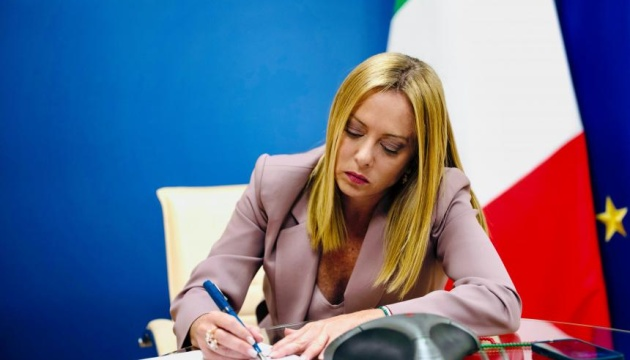
Giorgia Meloni Introduces Controversial Education Reform
According to Укрінформ — Мігранти: Italian Prime Minister Giorgia Meloni has unveiled a new legislative proposal aimed at limiting the number of foreign students in classrooms and prohibiting the wearing of burqas and niqabs in schools. Announced during a youth event hosted by Meloni's party, the initiative seeks to enhance the integration of migrant children, particularly from Muslim-majority countries, and to regulate religious symbols within Italy’s educational institutions.
Key Measures of the Proposal
The draft law includes a cap on the proportion of foreign pupils allowed in each class. Meloni emphasized that parents of foreign students facing significant integration challenges will be required to ensure their children learn Italian. She firmly stated that
“students must attend school with their faces uncovered, and in Italy, no one-under the guise of real or imagined tradition-can decide that a young woman should conceal her face.”
According to data from Fondazione ISMU, 11.6% of students in Italy are non-citizens, highlighting the substantial impact migrants have on the education system. While Meloni did not specify the exact maximum number of foreign students per class, she stressed the importance of children quickly acquiring the Italian language and integrating effectively. She noted:
- “If there is only one child in a class who does not understand Italian, they are likely to learn the language rapidly with the support of classmates and teachers.”
- “However, if the number of children who do not understand the language becomes significant-or even predominant-this ceases to be integration and becomes neglect.”
Integration remains a deeply divisive issue in Italy, a country that has experienced one of the highest migrant influxes in Europe. Meanwhile, Austria has recently enacted a ban on hijabs in schools for girls under 14, reflecting a wider European debate over the presence of religious symbols in educational settings.
This proposed legislation has sparked intense public debate, as migrant integration and the regulation of religious attire are highly sensitive subjects across Europe. Italy, with its complex migration history, faces the challenge of balancing cultural diversity with national values. The adoption of this law could significantly influence the country's political landscape and interethnic relations, as discussions about integration continue not only in Italy but across the continent.
As the debate over integration intensifies, the proposed measures by Prime Minister Meloni highlight a growing concern regarding the educational landscape in Italy. To explore the implications of limiting foreign student enrollment and the ban on religious attire in schools, it's essential to consider the broader context of Italy's immigration policies. For further insights, see our detailed report on Italy's legislation on foreign students.

Read also