Israel and U.S. Target Iran in Coordinated Strikes, Damaging Key Gas Field and Killing Senior Officials

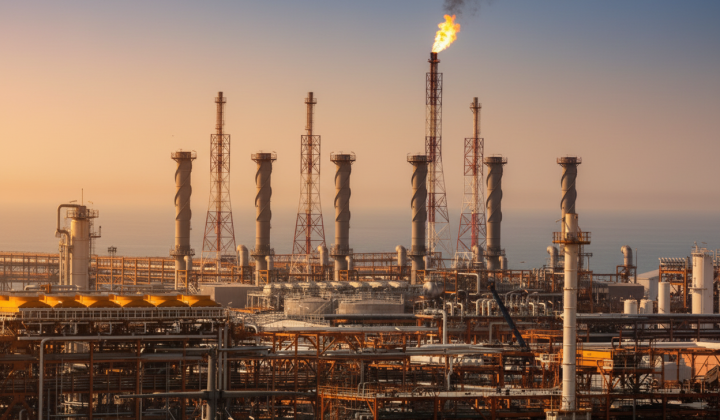
Israeli Strike Hits Major Iranian Gas Field
According to Главком: In a coordinated operation with the United States, Israel launched a strike targeting petrochemical facilities at Iran's South Pars gas field. This site is the world's largest natural gas field and is jointly developed by Iran and Qatar. Production from the Iranian section of South Pars is projected to reach 730 million cubic meters per day by 2025. The attack damaged gas storage infrastructure, halting production at two plants with a combined daily capacity of approximately 100 million cubic meters. This strike directly impacts a critical revenue source for Iran, which is already under significant international sanctions.
Military Escalation and High-Profile Casualties
The U.S. Central Command confirmed that strikes were also carried out against fortified Iranian positions near the Strait of Hormuz, a vital global oil shipping lane. The attacks employed 5,000-pound (approximately 2,300 kg) bombs, primarily targeting Iran's anti-ship cruise missiles stored in hardened shelters. In a separate incident on the night of March 17, an Israeli airstrike killed Ali Larijani, the Secretary of Iran's Supreme National Security Council, as confirmed by Israeli Defense Minister Israel Katz.
Furthermore, the Israel Defense Forces reported eliminating Iran's intelligence minister, Esmail Khatib, who had held the position since 2021. Concurrently, Iran's new supreme leader, Mojtaba Khamenei, survived a missile strike on his bunker as he was outside the structure at the time. These events mark a significant and dangerous escalation in the long-running shadow war between the two regional adversaries.
The coordinated strikes by Israel and the U.S. represent a new and more direct phase in their conflict with Iran, with serious potential implications for regional security. The loss of key Iranian military and intelligence leaders could degrade Tehran's operational capabilities, though the risk of further escalation and retaliatory actions remains high. This volatile situation requires close monitoring, as it threatens to destabilize the Middle East and could significantly impact global energy markets and geopolitical stability.
The recent military actions not only highlight the intensifying conflict between Israel and Iran but also raise questions about the broader implications for regional stability. For a deeper understanding of the U.S. strikes targeting critical Iranian positions and the elimination of key officials, you can read more about the developments near the Strait of Hormuz in our detailed report on the ongoing military operations.

Read also