Carding: what it is, types of fraud and how to protect yourself from financial schemes

Today it is hard to find a person who does not know what carding is. After all, carding is currently one of the most widespread forms of financial fraud in the world, related to the illegal use of payment cards and bank details.
Despite the development of digital technologies and secure online systems, fraudsters constantly find new ways to access other people's funds. This phenomenon affects both physical bank cards and electronic payments, e-wallets, and online platforms. Understanding the essence of carding, its types, methods and ways to protect oneself is important for anyone or any organization using financial services. Timely information about risks helps to prevent losses, protect personal data and avoid financial problems.
What is carding?
Carding is an illegal activity related to stealing data from payment cards, payment details or access to electronic payment systems for the purpose of financial gain. The main essence of carding is using someone else's funds without the owner's permission, as well as creating schemes that allow fraudsters to bypass the protective mechanisms of banks and payment services. Carding can be carried out either physically, by copying cards or stealing them, or remotely – over the Internet, through phishing sites, viruses and other digital methods. Modern carding often combines several ways of obtaining data, creating complex financial schemes and networks.
History of carding
Carding emerged in the 1970s and 1980s with the mass proliferation of payment cards, when fraudsters began using scanning and cloning techniques for magnetic stripes. At the initial stage, carding was mostly local and was limited to ATMs and point of sale terminals. With the development of the Internet and online payments, this phenomenon gained global scale: forums for exchanging stolen data appeared, dark markets, specialized software for automated attacks and mass transactions. Over time, carding has become a highly profitable illegal activity, and criminal groups began to use international schemes for money laundering and concealing traces.
Types of carding

Carding can be classified by method of obtaining data and type of fraud. The main types are physical and online carding. Each has its own features and methods of execution, as well as different risks for the victims. Physical carding is traditionally associated with direct access to the card, while online carding uses digital channels to obtain information. Combined methods are also highlighted, where fraudsters combine physical and digital ways, increasing the effectiveness of their actions.
Physical carding
Physical carding includes stealing the card or copying it using special devices, such as skimmers. Skimmers are installed on ATMs or terminals to scan the card's magnetic stripe and capture the PIN code. Another method is physically stealing the card from a wallet or mail, after which the fraudster can make purchases or withdraw cash. Often, physical carding is combined with observation of the cardholder or video surveillance to learn the access code. This type of fraud is riskier for the fraudster, as it involves contact with the owner or banking equipment, but it remains relevant.
Online carding
Online carding involves stealing card data and payment details through the Internet. The most common methods include phishing – creating fake websites or messages that appear as legitimate banking services – and viruses that steal user data. Keyloggers are also used, which record the input data on devices, and special programs for scanning databases with open access or compromised servers. Online carding allows fraudsters to operate remotely and scale their activities, making hundreds of transactions a day.
Methods and schemes of carding

Among the methods of carding are cloning cards, phishing, skimming, counterfeiting payment details, using hacked databases, and automated bots for checking cards. Schemes can be simple – one card, several transactions, or complex, when stolen data is sold on the 'black market' to other fraudsters. Some carding networks include intermediaries, use of cryptocurrencies, and multinational operations for money laundering, which makes investigations particularly difficult.
Consequences for victims
For victims of carding, the consequences can be significant: loss of funds, damaged credit history, account blocking, additional costs for restoring financial data. Businesses face reputational risks, losses from fraudulent transactions, and costs for implementing additional security systems. Loss of trust in payment systems and the need to rectify the aftermath of fraud can lead to prolonged financial and organizational problems.
Legal aspects and responsibility
Carding is a criminal offense in most countries. In Ukraine, illegal use of payment cards, data theft, and fraud carry criminal liability with punishments in the form of fines, restriction of freedom or imprisonment for up to several years. Law enforcement agencies actively cooperate with banks and international organizations to investigate carding, block fraudulent schemes and recover funds for victims. Additionally, banks and payment services implement preventive measures, including multi-level protection, transaction monitoring, and rapid response to suspicious transactions.
Thus, carding is a complex and multi-layered phenomenon of financial fraud that requires attention from both users and organizations. Understanding the methods, types, and risks, as well as applying preventive measures, allows minimizing financial losses and protecting oneself from illegal use of payment details. Timely information, carefulness in dealing with bank cards and online payments, as well as adherence to security rules help avoid the consequences of fraud and maintain financial stability.
How to fight carding
Combating carding requires a comprehensive approach and engagement of both users and financial institutions. The most effective method is a combination of technological solutions and educational measures. Users should carefully monitor transactions on their accounts, promptly report suspicious operations to the bank, and use multi-factor authentication for access to financial services. Banks, in turn, apply monitoring and analytics systems that automatically detect anomalies in account behavior and block suspicious transactions. Additionally, cooperation between financial institutions, law enforcement, and international organizations allows for rapid tracking and stopping of fraudulent networks.
Prevention and security
Prevention of carding begins with the proper use of cards and electronic payment tools. It is recommended to regularly check account status, change passwords and PIN codes, not disclose them to third parties, and only use official applications and websites for payments. It is important to avoid suspicious emails, messages, and links that may be phishing attempts. Banks and payment systems implement additional security measures such as tokenization, data encryption, transaction amount restrictions, and instant transaction alerts, significantly reducing fraud risks. Educational programs and informational campaigns among users also raise awareness and help prevent financial losses.
Famous cases and scandals
In recent years, numerous cases of carding have been recorded worldwide, leading to significant financial losses. One notable case includes a large-scale attack on an international ATM network, where fraudsters used skimmers and stole millions of dollars. Another case concerned online carding, when a popular electronic service's database was hacked, and thousands of users became victims of fraud. Such scandals underline the importance of continuously improving protective technologies and the fast response from financial institutions. At the same time, these cases demonstrate that even experienced users and large companies are not immune to risks, so a comprehensive security system and awareness are key elements in the fight against carding.
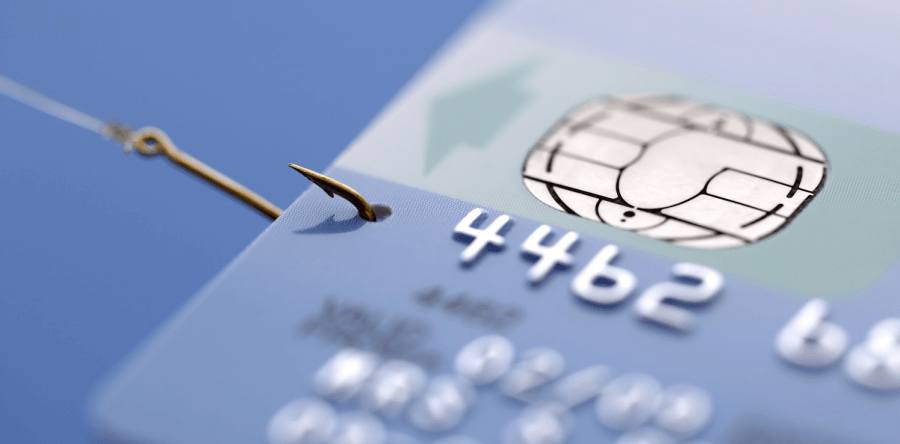
In conclusion, combating carding requires a combination of technologies, user awareness, and active interaction between financial institutions and law enforcement agencies. Timely response to suspicious operations, adherence to safety rules, and the use of modern protective mechanisms help minimize risks and protect finances from fraud. A systematic approach to preventing carding and understanding potential threats allows users to confidently use cards and electronic payment services, maintaining control over their funds and data.

Read also