Managers Are Failing Their Teams: 46% of Employees Lack Career Support

The State of Career Development Today
According to AIHR: In today's professional landscape, a significant number of employees struggle with a lack of managerial support for their career advancement. Research reveals a troubling disconnect: 46% of workers feel their managers do not know how to help them grow professionally. This issue is critical, as 41% of employees cite a lack of career development as the primary reason for leaving a previous job. Furthermore, 54% report feeling completely isolated at work when it comes to their career path, highlighting an urgent need for change in how companies manage talent development. In a competitive job market, failing to support career growth directly fuels turnover.
Younger workers, particularly those from Generation Z, express specific concerns about career guidance. Notably, 47% of Gen Z believe artificial intelligence could provide better career advice than their own managers. This indicates a growing openness to new technologies as potential tools for career development, provided companies are willing to integrate them effectively.
Strategies for Enhancing Career Growth
The data shows a clear gap in structured support programs. For instance, only 28% of U.S. employees participated in a formal mentoring program in the last 12 months. In contrast, companies with a strong learning culture demonstrate a 57% higher employee retention rate, underscoring the tangible business value of investing in development.
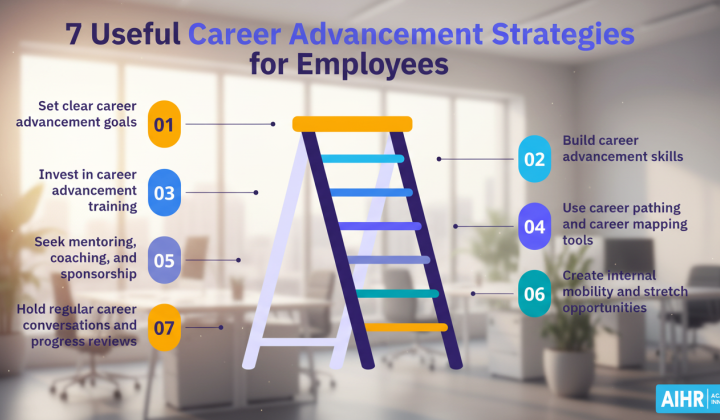
To improve employee career development, experts recommend several key strategies, including:
- Setting clear objectives;
- Developing relevant skills;
- Investing in training;
- Utilizing career planning tools;
- Seeking mentorship, coaching, and sponsorship;
- Creating internal mobility opportunities;
- Holding regular career conversations.
These actions can significantly assist employees in reaching their professional goals.
Frameworks useful for implementing career development programs include the 5 P's (Purpose, Personal brand, People, Performance, Plan), the 4 C's of Career Adaptability (Concern, Control, Curiosity, Confidence), and the 3 C's of Career Development (Capability, Credibility, Connection). Additionally, companies should follow a career growth program checklist. This involves assessing employee needs and business goals, defining growth criteria, mapping career paths, identifying required skills, providing learning support, training managers, ensuring equitable access, communicating the program, and measuring outcomes.
Therefore, to ensure successful employee career development, companies must take concrete steps to improve management practices and implement structured learning and development programs. This will not only increase employee satisfaction but also positively impact talent retention.
In a dynamic labor market, supporting career growth is critically important for both employee satisfaction and organizational loyalty. Implementing effective training and development programs, alongside leveraging modern technologies like AI, can substantially improve the situation. Companies that adapt to the evolving expectations of their workforce will gain a decisive advantage in retaining talent and boosting productivity. Ultimately, strategic investment in personnel development is essential for future business success.
As organizations grapple with the pressing issue of managerial support, it’s crucial to understand the broader implications of employee disengagement. Research indicates that a lack of career guidance not only affects morale but also has significant financial repercussions for businesses. To explore the staggering costs associated with unmotivated employees and how innovative incentive programs can transform workplace dynamics, read more about the impact of employee incentives.

Read also