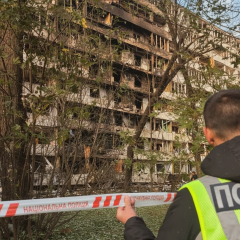
Automatic Bill Adjustment for Kyiv Residents Losing Heat Due to Attacks


Heating Bills to Be Reduced for Kyiv Residents
According to ХВИЛЯ: Residents of Kyiv who have lost their heating supply due to Russian attacks will see their bills automatically reduced. As of January 28, hundreds of buildings in the Ukrainian capital were without heat following the strikes. This automatic adjustment is possible because 99.9% of Kyiv's housing stock is equipped with building-level heat meters, which calculate charges based on actual consumption rather than standard rates. This system provides crucial financial relief during a period of immense hardship for the city's population.
How Building-Level Heat Meters Function
A building-level meter works by distributing the total recorded heat consumption among all apartments in proportion to their square footage. The meter measures the actual thermal energy delivered in gigacalories, not merely the presence of water in the pipes, ensuring residents pay only for the heat that enters the building. The system's calculation is based on a simple formula: the temperature of the heat carrier multiplied by its volume, with the result being gigacalories. If the temperature drops, the recorded figure is lower, which automatically reduces the amount on the utility bill. Expert Oleksandr Serhienko notes:
“The meter is an impartial mechanism.”
Thus, the automatic recalculation mechanism ensures fairness in heating charges, even under these difficult circumstances.
The heating situation in Kyiv underscores the critical importance of automated resource accounting systems, especially during wartime when infrastructure is under attack. The reduction in heating payments will serve as a vital support measure for residents enduring hardships due to the lack of heat. Automating the billing process can also reduce the administrative burden on utility services and increase transparency in calculations for consumers.

Read also