Kyiv Issues Safety Alert as Thaw Brings Danger of Falling Ice

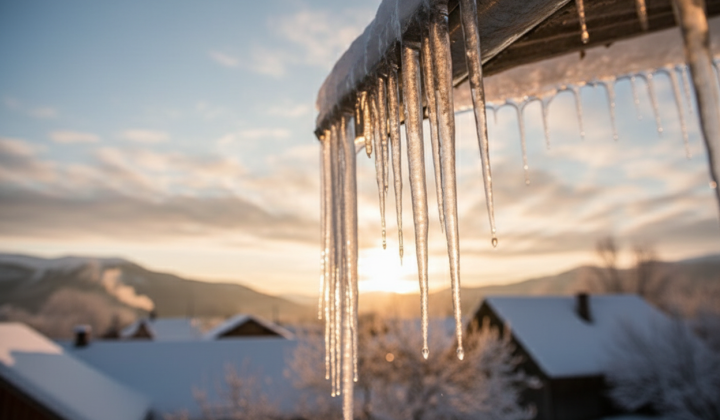
Kyiv Warns of Icicle Hazards During Winter Thaw
According to Главком: As temperatures rise in Kyiv, the risk of snow slides and falling icicles increases. The State Emergency Service of Ukraine (SESU) and the Kyiv Department of Territorial Control have issued safety guidelines for the public during the thaw. Concurrently, Kyiv Mayor Vitali Klitschko held a meeting with heads of the capital's district state administrations to discuss snow and ice removal efforts.
Safety Guidelines for the Thaw Period
The SESU's published recommendations include several crucial tips for residents and visitors:
- Avoid standing under eaves and balconies where ice has accumulated.
- Maintain a safe distance: when walking near buildings, try to stay 3–4 meters away from the walls.
- Do not ignore cordoned-off areas with warning tape, as these mark zones of heightened danger.
If you hear a suspicious noise from above, act quickly: do not stop or look up. The best course of action is to press yourself against a wall as swiftly as possible, as a roof overhang can provide shelter. It is also important not to park vehicles close to buildings, as a chunk of ice could damage them.
A critical aspect of safety is the clearing of snow and icicles from roofs. According to Kyiv's municipal maintenance rules, this responsibility falls on property managers, which include associations of co-owners of apartment buildings (OSBB) and housing maintenance companies (ZhEKs), as well as owners of commercial properties like shops and offices.
This situation has caused concern among Kyiv residents, notably Garik Korogodsky, who remarked:
"I don't understand the logic of issuing orders that essentially no one carries out." – Garik Korogodsky
These guidelines from the SESU and the city administration underscore the need for caution during the thaw, when the risk of falling ice and snow slides is greatest. Clearing roofs is vital for public safety, and the legal onus lies with property managers. In many northern cities, such seasonal hazards require coordinated public awareness and strict enforcement of maintenance codes to prevent injuries.

Read also