China canceled subsidies for the import of Russian metals: consequences for the Russian Federation

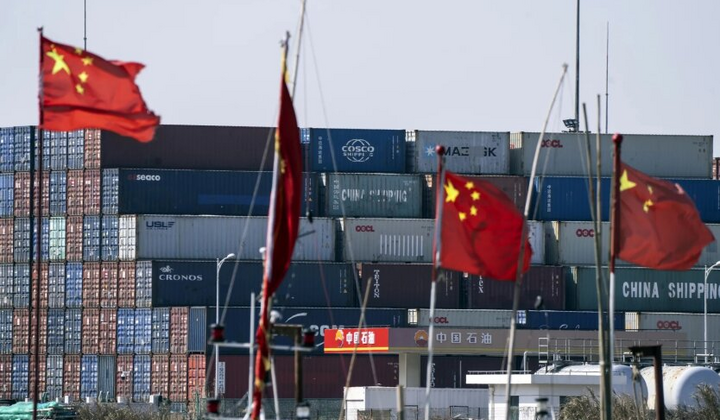
According to hvylya.net: In September, the Chinese government ended unofficial subsidies that helped state companies import copper and nickel from Russia. This was reported by the Foreign Intelligence Service of Ukraine.
According to the intelligence, these benefits – in the form of discounts or fixed payments – previously compensated logistics costs, provided competitive advantages to Russian suppliers, and supported the stability of supply chains.
Experts note that the decision to terminate the subsidies occurred as part of a strategy to optimize government spending and diversify import flows. Beijing is investing in metal extraction in Indonesia, Africa, and Latin America, while also protecting the domestic market from price distortions arising from Russian metals sold at a discount due to sanctions.
Such changes have affected the volume of Russian goods imported into China. For example, from January to June 2025, there was an 11% decrease in oil imports, a 28% reduction in petroleum products, a 13% decline in LNG, and a 10% drop in wood and coal.
According to intelligence, this situation will lead to a decrease in the competitiveness of Russian metals in the Chinese market, as well as a significant reduction in profits for leading producers such as 'Norilsk Nickel' and 'Rusal'.
The Chinese government decided to cancel subsidies for the import of copper and nickel from Russia. This action took place in the context of a strategy to reduce government spending and expand import sources. It resulted in a decrease in the import of Russian goods into China and could significantly impact the profits of Russian companies supplying metals.

Read also