How the Middle East War Is Helping China Study U.S. Weaknesses

U.S. Vulnerabilities Exposed in the Middle East
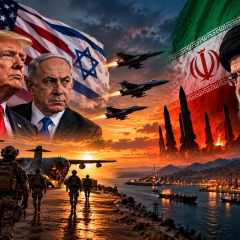
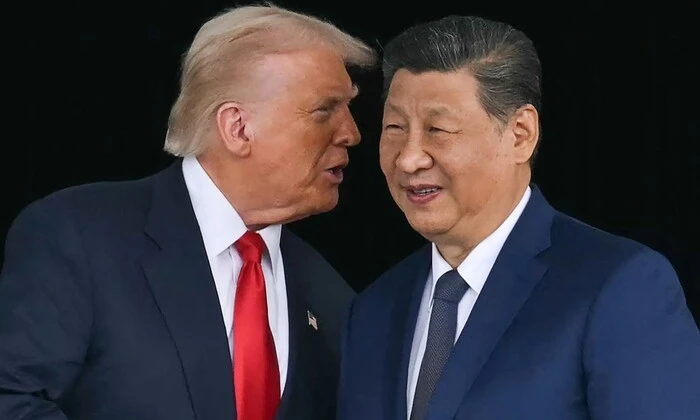
According to Главком: The prolonged conflict in the Middle East is gradually revealing critical weaknesses in the United States, giving Beijing a chance to closely examine the military strategy of its main rival. The Trump administration is struggling to exit the war and regain control over the Strait of Hormuz, while global energy prices continue to climb. Pentagon resources are being diverted away from the Pacific region, and containing China is no longer Washington’s top priority. This shift provides Xi Jinping with additional leverage ahead of his meeting with the U.S. president.
Analysis and Implications
Chinese military analysts are actively studying the pace of missile strikes, intelligence-gathering methods, and the logistical dependencies of the U.S. armed forces. Meanwhile, the United States is forced to expend costly Tomahawk missiles and Patriot air defense systems to counter relatively cheap Iranian drones. China sees this as evidence that the American arsenal is not unlimited.
According to Admiral Samuel Paparo, 'the real combat experience of the crews is invaluable.'
Recently, China’s Ministry of Commerce decided to bar its companies from complying with U.S. sanctions on five firms, including Hengli Petrochemical Refinery Co. This move reflects a direct clash between the two legal systems. China has long criticized U.S. sanctions policy and remains one of the key buyers of Iranian oil. As a result, the situation in the Middle East continues to shape global geopolitical and economic trends, highlighting the complexity of international relations during this period.
The growing tension between the United States and China amid the regional conflict points to an evolving global geopolitical landscape. The noted shifts in Washington’s military priorities could have long-term consequences for strategic stability and energy markets. At the same time, China’s strengthening of its position in response to U.S. sanctions signals a deepening economic rivalry between the two nations, which may complicate international cooperation in other areas.
As tensions escalate, the U.S. has issued stern warnings regarding potential repercussions for China's military support to Iran. This development underscores the intricate interplay of military strategies and sanctions, further complicating the geopolitical landscape shaped by the ongoing conflict in the Middle East.

Read also