Former U.S. Security Advisers Slam Trump's 2025 Strategy for Downplaying Russia and China

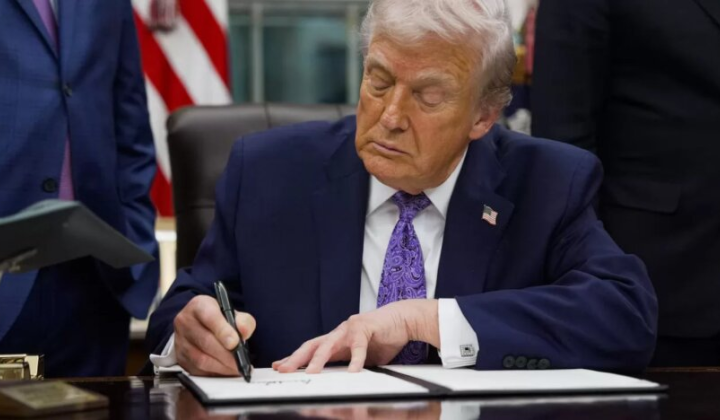
U.S. National Security Strategy Draws Fire
According to ХВИЛЯ: Former U.S. National Security Advisers H.R. McMaster and Jake Sullivan have publicly criticized the new U.S. National Security Strategy, adopted by the Donald Trump administration in December 2025. They argue the document dangerously minimizes the threats posed by Russia and China, choosing instead to focus on migrants and the support of right-wing political parties in Europe. This critique comes from figures who served under both Republican and Democratic presidents, highlighting bipartisan concern.
During a Stanford University-hosted World Class podcast, McMaster stated that the new strategy
"falls into the same trap as previous ones-it describes the world as we wish it to be."
The document scarcely mentions Russia as a threat, while China is only referenced on page 19 of a 30-page text. This has alarmed experts who believe the strategy ignores the realities of the current geopolitical landscape, particularly following Russia's full-scale invasion of Ukraine in 2022.
Sullivan, for his part, pointed out that the strategy claims
"the greatest threat to Europe is not Russia, which invaded Ukraine. It is migrants-people carrying out what the document calls 'civilizational replacement.'"
He also emphasized that the strategy is
"effectively the written transcript of J.D. Vance's speech at last year's Munich Conference."
Insufficient Focus on Core International Security Issues
Both experts noted the strategy's inadequate focus on critical international security matters, especially the comprehensive competition with China, which should encompass military, technological, economic, and diplomatic domains. Simultaneously, the document emphasizes support for 'patriotic parties' (right-wing parties in Europe), suggesting a potential shift in the priorities of American foreign policy.
Previous U.S. National Security Strategies were prepared in 2017 and 2022, but this new document has raised significant questions among specialists. The criticism underscores that shifts in the geopolitical context demand a more rigorous analysis of the threats facing the nation. With rising global tensions, experts warn that downplaying rivals like Russia and China could have serious consequences for international stability and future U.S. foreign policy.

Read also