How a 3,500-Strong Militant Force Entered Donetsk Unopposed in 2014

The Militant Column's Exit from Sloviansk
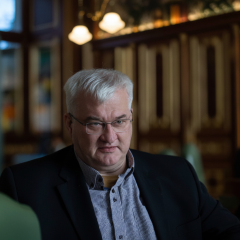
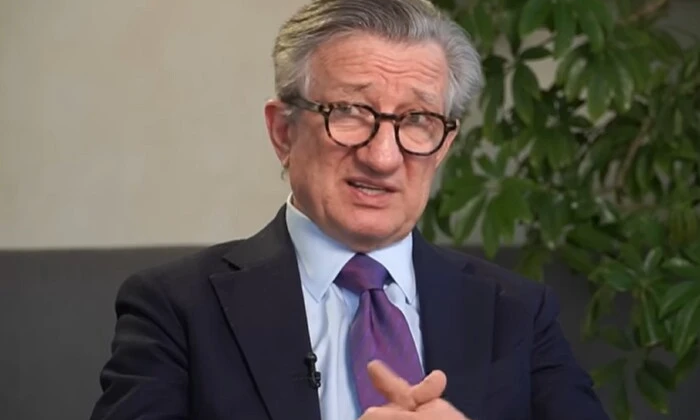
According to Главком: Former Donetsk governor Serhiy Taruta has described the summer 2014 withdrawal of a militant column led by Igor Girkin (Strelkov) from Sloviansk, asserting that Ukrainian forces could have stopped it but deliberately chose not to. Taruta suggests this inaction points to a high-level agreement. He stated the massive convoy, which took from 5:30 a.m. to 9:00 a.m. to assemble, consisted of approximately 3,500 fighters and hundreds of pieces of military hardware.
Serhiy Taruta served as head of the Donetsk Regional State Administration from March 2 to October 10, 2014, an appointment made by then-acting Ukrainian President Oleksandr Turchynov. According to Taruta, Girkin's column stretched roughly 15 kilometers as it moved between Kostiantynivka and Donetsk, passing the final Ukrainian military checkpoint. He emphasized that troops were present at the position but allowed the convoy to proceed.
"My subjective understanding is that this was a pre-arranged deal,"
Serhiy Taruta
Taruta added that then-President Petro Poroshenko, eager to be seen as a victorious leader, had ordered the military to liberate territory. However, Taruta claimed that achieving this by military means was "practically very difficult." He further speculated that Poroshenko must have been party to an arrangement, as Chief of the General Staff Viktor Muzhenko took orders only from the commander-in-chief, who likely issued the command not to interfere with the column as it entered Donetsk unimpeded.
Present-Day Context
Igor Girkin (Strelkov) is now imprisoned in Russia, and the events in question occurred twelve years ago. Taruta's testimony offers a critical perspective on the chaotic early phase of the war in eastern Ukraine. His account could reshape the understanding of that period and raise new questions about the Ukrainian leadership's actions during the armed conflict's initial stages.
Serhiy Taruta's statements may become a significant element in future investigations and analyses of the war's onset. They could prompt a re-examination of military strategy and political decisions from that time. Discussing these topics may have substantial implications for the contemporary historical understanding of the conflict and the evaluation of Ukrainian state institutions' actions at critical junctures.

Read also