Why a Protracted Gulf Conflict Means Global Oil Shortages and Higher Prices

Impact on the Global Economy
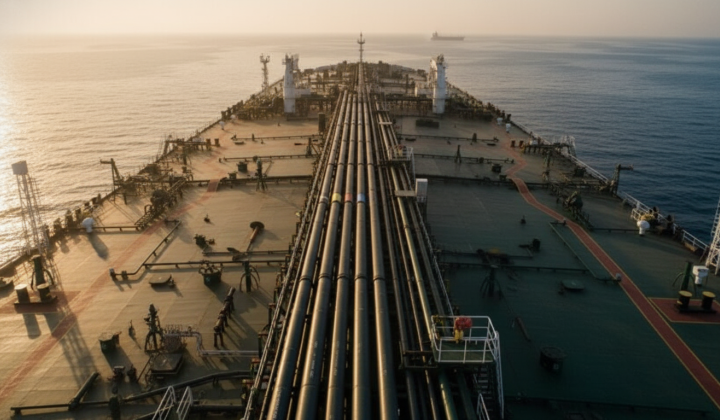
According to ХВИЛЯ: The ongoing conflict in the Persian Gulf region is severely disrupting the global economy. Key shipping lanes remain blocked, creating a long-term shortage of energy supplies and driving up oil prices. With the situation showing signs of escalation and maritime traffic yet to resume, analysts are revising their macroeconomic forecasts, as a prolonged conflict is now considered the base scenario. The Strait of Hormuz, a critical chokepoint, handles about one-fifth of the world's oil supply.
The ability to move oil through the Persian Gulf has been severely curtailed. These are significant volumes that are not reaching the market, and it appears they will not be arriving anytime soon.
Oleh Ustenko
This shift to a prolonged conflict as the base scenario implies a slow but steady increase in oil prices for the foreseeable future. Alternative supply sources, such as partial exports from Iraq or Venezuela, are insufficient to cover the deficit, which only worsens the situation. Ustenko further noted that a scenario which initially seemed 'extremely pessimistic' now appears likely to become the 'baseline.'
Adapting to New Economic Realities
The world must now adapt to a prolonged period of high commodity prices and persistent logistical disruptions. Under these conditions of uncertainty, the economic stability of many nations is at risk, causing concern among experts and analysts.
The extended duration of the Persian Gulf conflict has serious implications not only for the region but for the global economy. High oil prices could trigger inflationary pressure in many countries dependent on energy imports. Experts are urging for:
- greater diversification of energy sources
- accelerated development of renewable energy
These steps are necessary to reduce dependence on unstable regions. The situation demands attention from governments and international organizations, which must take measures to stabilize the market and ensure energy security.
As the situation in the Persian Gulf escalates, the ramifications extend beyond the oil market. The ongoing blockade poses a serious threat to global food supplies, potentially leading to severe shortages and increased prices. Understanding the interconnectedness of these issues is crucial; the blockade's impact on agriculture could exacerbate the economic instability already fueled by rising energy costs.

Read also