South Korean Dry Electrode Technology Set to Boost Electric Vehicle Range

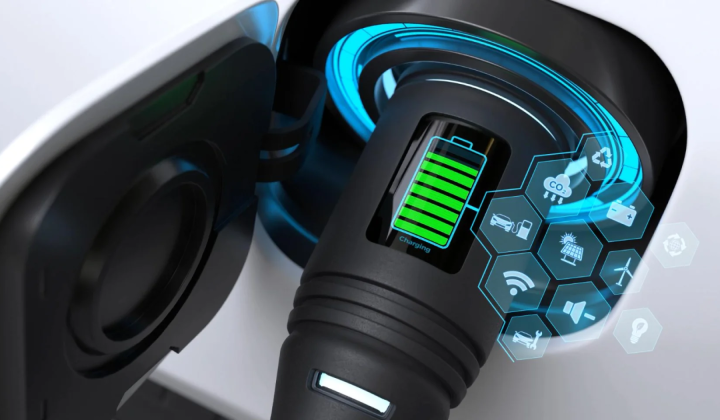
Battery Breakthrough from South Korea
According to НВ — Техно: Researchers in South Korea have developed a new battery technology designed to extend the driving range of electric vehicles. This innovation not only increases range but also speeds up charging and lowers production costs. The new method replaces polytetrafluoroethylene (PTFE), commonly known as Teflon, with an eco-friendly material called CMC-SBR. Additionally, it uses graphite granules with a controlled shape instead of flat particles.
Advantages of the New Approach
The team employed a dry processing technique that bypasses the traditional wet slurry method. This approach reduces factory footprint and cuts emissions by eliminating the need for toxic solvents and energy-intensive ovens. PTFE, a type of forever chemical (PFAS), degrades inside the anode and is subject to environmental restrictions. Switching to CMC-SBR-a material already used in conventional battery manufacturing-represents a significant step toward greater sustainability.
To achieve this, the researchers used spray drying on a mixture of graphite, conductive additives, and binders, transforming flat graphite flakes into rounded granules. The internal structure of these granules features a random orientation of graphite, which allows for the creation of thicker electrodes-a key factor in improving battery performance. The findings were published in the journal Energy Storage Materials.
“This technology offers a new approach capable of overcoming the limitations of traditional PTFE-based dry electrode manufacturing processes,” said Jihui Yoon, a senior researcher at KIMS.
The new method holds great promise for advancing electric mobility while reducing the environmental footprint of battery production.
Successful implementation of this technology could mark a major milestone in making EV manufacturing more sustainable. With rising demand for electric cars and stricter environmental regulations, innovations in battery technology are poised to reshape the competitive landscape. The adoption of new materials and processes may also help lower the cost of electric vehicles, making them more accessible to a broader audience.
As advancements in battery technology continue to emerge, researchers in the US have also made significant strides with their innovative approach. Their recent development of a 3D-printed zinc battery showcases how diverse methods can enhance energy storage solutions, potentially complementing the dry electrode technology from South Korea. This trend highlights the growing commitment to sustainable energy systems in the automotive sector.

Read also