Gasoline- and Diesel-Powered Car Imports Suspended by Laos in a World First

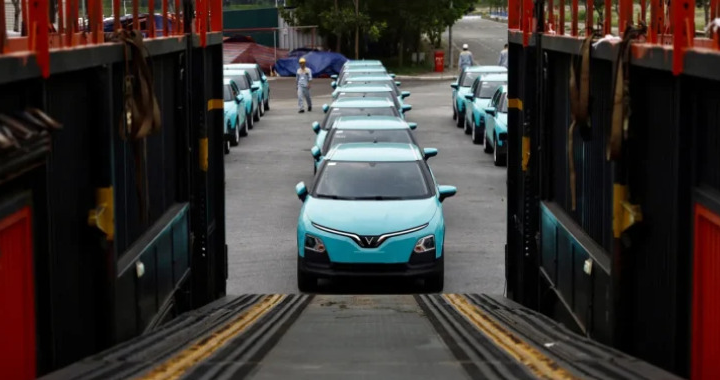
Imports of Combustion-Engine Cars Suspended Across Laos
According to Radiotrek — Світ: Starting June 1, 2026, and continuing through the end of that year, Laos will allow no new or used passenger vehicles powered by gasoline or diesel to enter the country. No other nation has carried out such an import suspension before. Public transit vehicles, construction machinery, trucks, and other specialized vehicles are not affected by the measure. The policy is driven by two factors: Laos produces far more electricity than it can use-much of it from hydroelectric dams-and its fuel-import bill weighs heavily on the economy. This move sets the country apart from more gradual approaches to cutting vehicle emissions.
Frequently described as the “battery of Southeast Asia,” Laos exports its abundant electricity to Vietnam, Thailand, and Cambodia. Yet it still spends roughly $1 billion each year on imported oil products, which equals about 5–7% of a GDP currently estimated at $17 billion. The new import freeze is intended to shift that balance by pushing drivers toward electric power.
Government Targets and Social Impact
By 2030, the Laotian government wants at least 30% of all vehicles on the nation's roads to be electric. To encourage early adoption, fully electric cars priced up to $50,000 are exempt from excise tax. In addition, authorities have signed agreements with 27 public and private partners to build charging stations, set up battery-swapping facilities, and offer financial products that support the transition to electric transport.
Because the import freeze covers all internal-combustion passenger cars, the only new vehicles legally entering Laos from June 1 through the end of 2026 will be electric ones.
Laos also has one of Asia's youngest populations, with a median age around 24–25 years. That youthful demographic is expected to accelerate the shift to electric vehicles as the market grows. The ban is a central part of Laos's strategy to cut its dependence on foreign fuel and to build a domestic EV sector. It could also serve as a template for other countries looking to break free from fossil fuels and adopt cleaner transportation systems.
The success of this ambition will depend on infrastructure development and on how quickly younger buyers embrace new technology. If those pieces fall into place, the long-term economic benefits could be significant. The move reflects a broader global shift toward electric mobility, driven by concerns about climate change and environmental harm.

Read also