Kremlin is frantic over mass bans of Russian media in Europe - intelligence

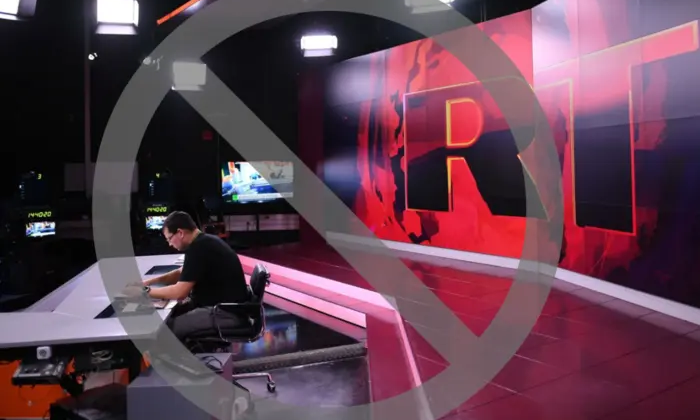
According to glavcom.ua: In response to the ban, Moscow called it 'censorship' and threatened a 'response,' referring to both its own laws and international organizations. However, the Kremlin's isolation on the international stage has become evident as most OSCE member states do not support Russia's accusations of 'discrimination.'
Russian state media have become the target of bans in Germany, France, Switzerland, Belgium, Greece, Romania, and other countries in Europe. These restrictions have dealt a heavy blow to Russia's external propaganda, reports 'Glavkom' citing the Ukrainian Foreign Intelligence Service.
Ukrainian intelligence emphasizes that after 2022, many Western media outlets such as BBC, Deutsche Welle, Radio Free Europe/Radio Liberty, CNN, and The Guardian have been banned or severely restricted in Russia. This occurred due to the objective coverage of the war in Ukraine and criticism of the Russian regime.
Turkish President Recep Tayyip Erdoğan had a telephone conversation with Russian dictator Vladimir Putin. During the conversation, bilateral relations, regional, and global issues were discussed. Erdoğan expressed concern about the conflicts in Syria and expressed a desire to support stability and security in the region.
After the ban on Russian media in several European countries, the Kremlin responded with accusations of censorship and threats of 'response.' However, Russia's isolation on the international stage is becoming evident as many countries do not support the Russian view of the situation. The telephone conversation between Erdoğan and Putin also prompts new discussions and possible solutions to regional issues.

Read also