Cuba's Dual Strategy: Preparing for Potential U.S. Conflict While Pursuing Dialogue

Raúl Castro's Role in U.S. Negotiations
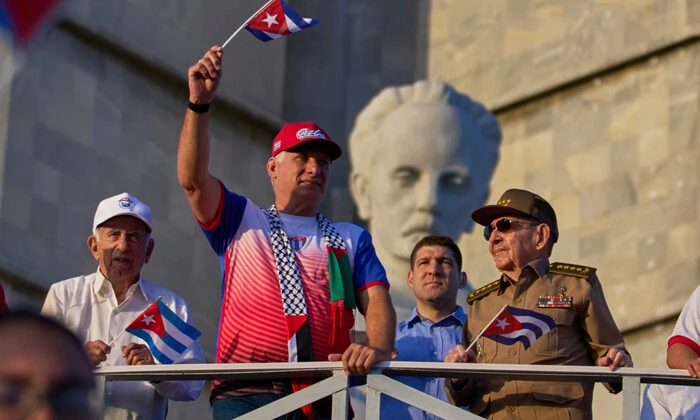
According to Главком: President Miguel Díaz-Canel has confirmed that 94-year-old Raúl Castro is actively involved in shaping Cuba's dialogue strategy with the United States. Castro remains the most influential figure on the island and is overseeing the negotiation process, which is currently in its early stages. This development occurs against a backdrop of severe energy shortages, a crisis exacerbated by the stringent oil blockade imposed by the administration of former U.S. President Donald Trump. The decades-long U.S. embargo continues to be a central point of contention in bilateral relations.
Energy Crisis and Humanitarian Impact
Cuba is grappling with a three-month fuel shortage, which has triggered two nationwide blackouts in the past week alone. This energy collapse has left approximately one million people without reliable access to water and has forced the postponement of thousands of children's scheduled surgeries and vaccinations. The United Nations estimates that $94 million in aid is required to mitigate the blockade's effects, highlighting the severity of the humanitarian situation on the island.
Carlos Fernández de Cossío, Cuba's Deputy Foreign Minister, has stated the country's readiness for a potential military confrontation with the United States. He remarked:
'Our nation has historically been prepared to mobilize as a whole in the face of military aggression... We do not consider it likely, but it would be naive of us not to prepare.' Carlos Fernández de Cossío
This statement underscores the heightened tensions between Cuba and the United States, where the Trump administration's policy has actively sought to pressure President Díaz-Canel to relinquish power.
Consequently, Cuba finds itself at a critical juncture, facing decisions that will significantly shape its future amid multiple crises. Raúl Castro's involvement in talks signals the government's attempt to forge new paths to resolve its challenges. However, escalating tensions with Washington and profound domestic hardships remain formidable obstacles. Observers anticipate that Cuba's next moves could have a substantial impact on the nation's political and economic stability for years to come.
As tensions mount, the implications of a potential power transition in Cuba are becoming increasingly significant. Understanding the U.S. proposal for a leadership change could shed light on the future of President Díaz-Canel's administration and its impact on the ongoing negotiations with the United States.

Read also