Latvian Broadcaster to Air Commercials During Russian Athletes' 2026 Olympic Performances

Commercials Planned for 2026 Olympics
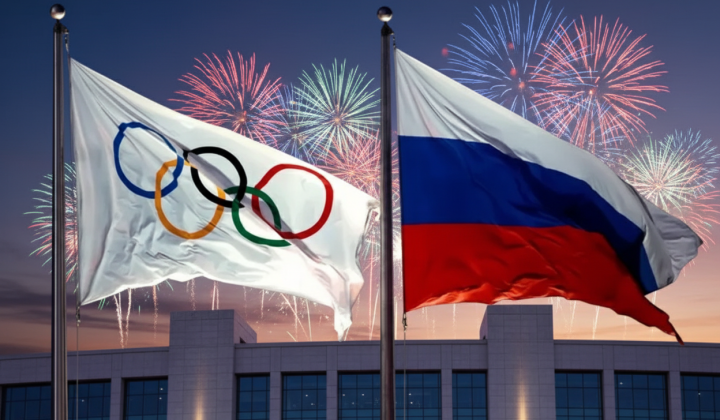
According to Главком: The Latvian broadcaster TV3 Group intends to run commercial breaks specifically during the performances of Russian athletes at the 2026 Olympic Games in Milan. The company's director of sports programming, Toms Circenis, stated this is a deliberate editorial choice, not a technical coincidence, and these moments will be used for scheduled advertising. This move comes as Russian and Belarusian athletes are permitted to compete as neutrals, provided they meet strict conditions set by the International Olympic Committee (IOC).
Among the Russian athletes who may compete is speed skater Aleksandra Sajutina. On February 29, 2024, she attended Russian President Vladimir Putin's annual address to the Federal Assembly, an action that sparked debate within the sporting community. While Sajutina has been granted neutral athlete status by the International Skating Union (ISU), her presence at the Putin-linked event drew criticism for appearing to violate the IOC's neutrality guidelines.
Russian cross-country skier Veronika Stepanova published a photograph confirming Sajutina's attendance at the event, which critics have labeled as propaganda. This situation highlights the ongoing complexity and controversy surrounding Russian athletes' participation in international competitions under a neutral banner.
Ethical Questions and International Response
TV3 Group's plan to air commercials during Russian athletes' events is likely to fuel further debate on the ethics and political context of their participation. In an environment where sport and politics are increasingly intertwined, the international community's reaction could influence future decisions by sports bodies and media companies. The broadcaster's decision is a form of editorial protest, reflecting the tense geopolitical climate in the Baltic region.
This incident also underscores the critical importance of adhering to IOC recommendations, which are designed to ensure neutrality and fairness in athletic competition.

Read also