Liechtenstein Refugees from Ukraine: Payments and Assistance

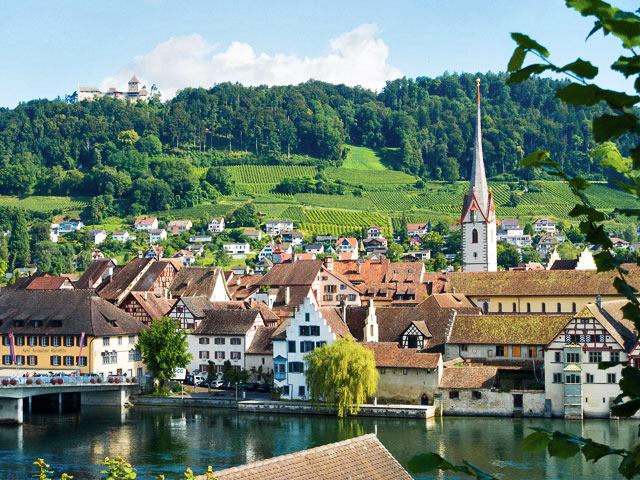
Since the full-scale invasion of Russia into Ukraine, Europe has actively supported Ukrainians. Liechtenstein has also created many useful programs for refugees from Ukraine. A large number of them are still relevant.
What status can Ukrainians obtain in Liechtenstein
After the beginning of the full-scale war, Liechtenstein introduced a special temporary protection mechanism for people who were forced to leave Ukraine. The main tool became Schutzstatus S, or status S. Its purpose is to allow individuals to legally stay in the country, receive basic social support, access the medical system, enroll children in school, and work according to established rules without going through the usual lengthy asylum application process. In 2026, the temporary protection system continues to operate, although the rules for new applicants have been clarified.
Liechtenstein coordinates its approach to Ukrainian refugees with European and Swiss solutions, but the final conditions are determined by the legislation of the principality. In July 2026, the Liechtenstein government decided not to end the protective regime for Ukrainians before March 2028. At the same time, each individual decision regarding protection has a defined duration and is subject to extension according to current regulations. For people who already have status S, the changes introduced for new applicants in July 2026 do not revoke the previously granted protection.

For Ukrainian citizens, the main mechanism of residence related to the war is temporary protection designated as status S. This is not equivalent to a regular permanent residence permit and does not follow the classical procedure for obtaining refugee status through an individual examination of all circumstances of persecution. Status S is created specifically for a defined category of people who need protection due to the war. After its granting, a person receives the right to stay in Liechtenstein and access to the assistance provided by the system.
The significance of status S also lies in the simplified nature of the procedure. The applicant does not go through the complete standard asylum application process. Instead, the competent authority conducts registration and interviews necessary to verify the individual's belonging to the category eligible for temporary protection. After a positive decision, a document confirming the status is issued.
In 2026, it is important to note that Liechtenstein has revised certain rules for new applicants. As of July 21, 2026, changes were made to the conditions for accessing temporary protection, particularly regarding the ability of individuals subject to military obligations under Ukrainian legislation to leave Ukraine. At the same time, these changes do not apply retroactively to people who have already received status S in Liechtenstein. Their current status is preserved.
Status S does not guarantee automatic housing in private apartments, unlimited cash payments, or the right to work without any formalities. Social assistance depends on need, living conditions, and the rules of the assistance system for asylum seekers. Employment also requires adherence to established procedures. Therefore, it is important for Ukrainians to view status S as a legal basis for temporary residence that simultaneously defines specific rights and obligations.
It should also be noted that Liechtenstein is a small country with a highly regulated labor market and limited housing stock. Because of this, support for individuals with status S is organized not only through government agencies but also with the participation of Liechtensteinische Flüchtlingshilfe, which is responsible for placement, support, social and medical provision, integration, and job search assistance.
Who is eligible for temporary protection
The right to status S is determined not by the mere possession of a Ukrainian passport but by compliance with established categories. The main category is citizens of Ukraine who resided in Ukraine until February 24, 2022, and are seeking protection in connection with the war. They are equivalent to Ukrainian citizens who were already legally residing in Liechtenstein on that date.
Specific rules are provided for individuals who do not hold Ukrainian citizenship. Eligibility may extend to persons of other nationalities or stateless individuals who had international or national protection status in Ukraine before February 24, 2022, and cannot safely and permanently return to their country of origin. There is also a category for individuals who had a valid residence permit in Ukraine as of February 24, 2022, and cannot safely and permanently return to their state of origin.
There are circumstances that may impede the granting of status. For example, having a valid residence permit in another Schengen state or the possibility of safely returning to the country of origin may affect the outcome of the assessment. The situation is especially significant if an individual has already received protection in another country or has an ongoing process there, as parallel use of multiple protection systems is not provided.
For a practical assessment of the right to status S, the date of residence in Ukraine, citizenship, previous legal status, existence of other residence permits, and circumstances of residing in other countries are important. Therefore, even for family members, the decision may depend on the individual documents of each person.

The temporary protection system also differs from tourist stays. A person who is in Liechtenstein only on a visa-free or tourist basis does not automatically receive all the rights associated with Schutzstatus S. For official employment or arranging a child's education, it is necessary to submit a corresponding application for protection.
How to apply for status upon arrival
Upon arrival in Liechtenstein, a person in need of protection must contact the Office for Foreign Affairs and Passports, known as Ausländer- und Passamt or APA. If a person is already in the country, it is recommended to arrange an appointment for submitting the application via email in advance. After working hours, inquiries can be made through the National Police. Applications without previous arrangements are also permissible, but this may lead to waiting, and the availability of a Ukrainian or Russian-speaking translator is not guaranteed.
During the application process, an entry interview is conducted, and documents confirming identity and belonging to the relevant category are checked. In practice, it is advisable to have a passport or another identification document on hand, as well as documents about family composition, children, previous residence, and, if necessary, documents regarding permits or statuses in other countries. It is important to provide accurate information, as the data is used to determine eligibility for protection and social support.
A separate procedure exists for the initial registration of information about Ukrainian citizens, which is not an application for protection or asylum. To obtain status S, it is necessary to undergo the procedure of submitting a protection request. After full registration of the application, the process of arranging school enrollment for children also begins.
After a decision is made to grant status S, the applicant is notified of the decision and issued a certificate. The document may be handed over during a personal call to the APA or sent by registered mail. With this certificate and a valid recognized passport, an individual can travel within the Schengen area and return to Liechtenstein without a separate APA permit. Trips lasting more than 14 days must be reported to the relevant authorities.
For the status application, it is also essential to timely report any changes in financial circumstances. If a person receives social support through the assistance system, information regarding assets and financial resources should be submitted truthfully and updated in case of changes. The current regulations state that the relevant property declaration must be submitted in the prescribed order and timeframe.
What payments and social assistance are available
Social support for individuals with status S in Liechtenstein is built around the principle of meeting basic needs. This means that there is no single guaranteed fixed monthly payment for every Ukrainian that is automatically assigned solely based on having status. The amount and form of assistance are related to the financial situation and specific living conditions.
The main types of support include:
- assistance for meeting basic living needs, including in the form of food or corresponding cash payments;
- pocket money provided there are no grounds for withholding it;
- placement and support within the assistance system;
- coverage of insurance premiums and prescribed participation in costs for mandatory health insurance;
- language courses organized by Flüchtlingshilfe Liechtenstein;
- participation in employment programs and activities aimed at re-entering the labor market;
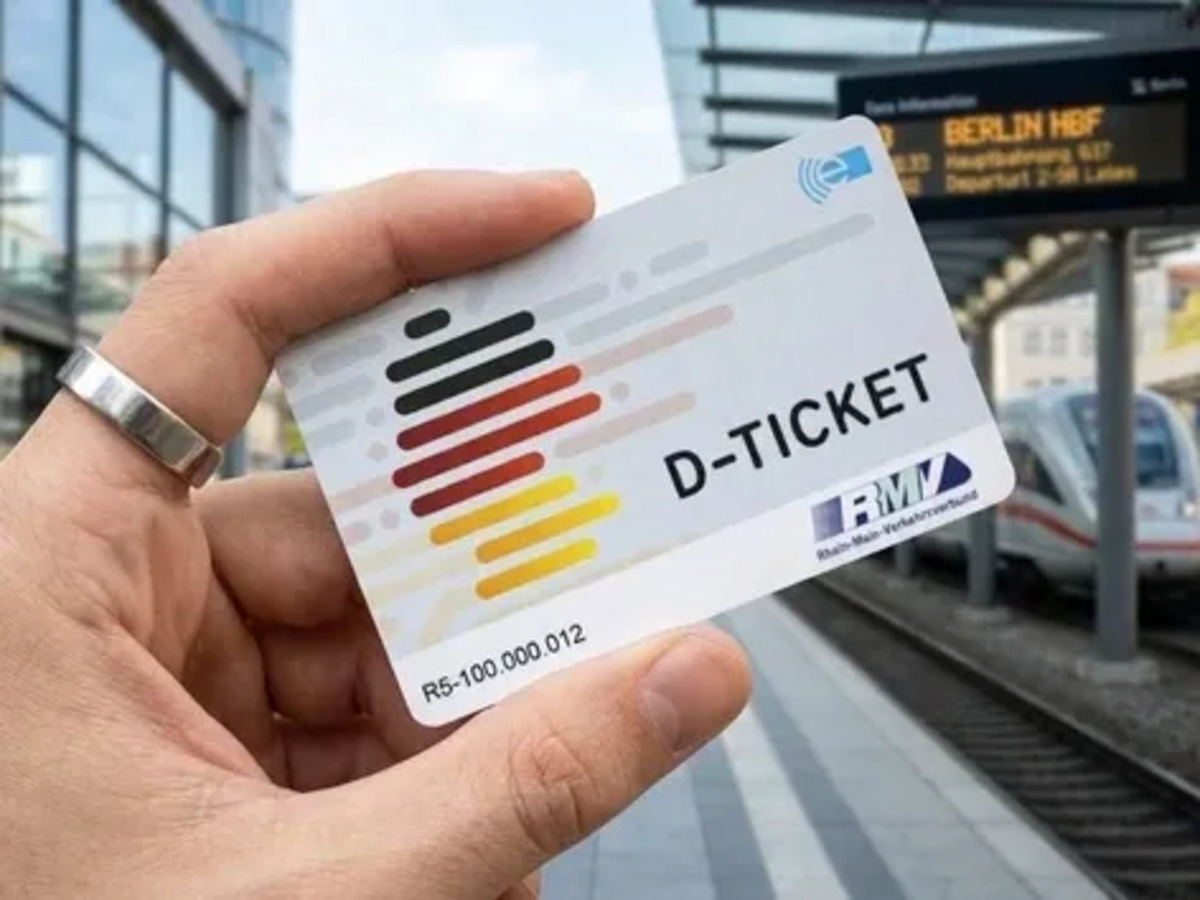
- free use of public transport in Liechtenstein with the S certificate.
The form of assistance may differ depending on the situation. Official clarifications provide for the provision of products, and, if proven necessary, social assistance in the form of a daily cash amount. Separate pocket money may also be provided. Thus, the widespread formulation about 'payment for refugees in Liechtenstein' requires clarification: it actually pertains to the social security system for individuals with temporary protection, rather than one universal sum for all.
Housing is also an important part of the assistance system. A person with status S may reside with relatives or friends or independently rent housing in the open market. However, expenses for independently rented apartments are not automatically covered. If a person needs support, accommodation may be organized through the reception and support system.
A significant role is played by Liechtensteinische Flüchtlingshilfe. The organization is responsible for placement, social support, economic and medical provision within the prescribed procedures, support during the stay, integration measures, and job search assistance. This means that assistance is not limited exclusively to money: a significant portion of support is provided in the form of housing, food, access to services, consultations, and support.
Another element is free transport on public transport in Liechtenstein with the S certificate. This facilitates access to work, school, medical facilities, administrative bodies, and language courses. At the same time, free transport has established limits: for example, special tickets are required for dogs and bicycles.
Social assistance is also linked to the obligations of the recipient. In particular, an individual must report any changes in financial circumstances and other conditions that may impact eligibility for assistance. If a person leaves Liechtenstein for an extended period, this must also be coordinated and reported to the competent authorities. Absences of more than 14 days without proper notification may result in consequences for status S and the cessation of assistance payments.
Can one work in Liechtenstein
Status S allows adults to work in Liechtenstein; however, employment does not occur automatically based solely on possession of the certificate. Before starting work, it is necessary to meet the established requirements and obtain approval from Ausländer- und Passamt. Rules regarding the transfer of part of the earnings in accordance with current regulations also apply to individuals in the asylum system.
It is important to differentiate the right to work after obtaining status S from residing in the country as a tourist. The tourist status does not grant the right to simply start working. If a person is in Liechtenstein without formal protection and wants employment, they must contact the APA to register an application for protection.
Employment can occur with the support of the assistance system. Flüchtlingshilfe Liechtenstein aims to assist in job searching and organizing employment programs. For individuals who do not yet speak German, language courses are an important addition. Learning the language may expand job search opportunities, as a significant portion of professional communication in the country occurs in German.

Liechtenstein has a specific labor market closely linked to neighboring states and cross-border employment. Nevertheless, for individuals with status S, the right to work under this scheme applies specifically to employment in Liechtenstein. Official clarifications separately state that temporary protection does not create the right to work outside the principality solely based on status S.
During employment, it is important to report any income, as earnings may affect the amount or necessity of social assistance. The support system involves an assessment of financial circumstances, so concealing income or assets may have legal and financial consequences. At the same time, legal employment is a key aspect of integrating individuals with status S and a way to gradually reduce dependence on social assistance.
Healthcare and education
Healthcare for individuals with status S is an integral part of the temporary protection system. Official rules provide for the coverage of insurance premiums and participation in costs under mandatory health insurance for those receiving corresponding social support. This means that medical expenses should not be placed entirely on individuals who do not have sufficient funds.
In general, Liechtenstein has mandatory health insurance for individuals living or working in the country. Registration with one of the recognized insurance funds must occur within a specified timeframe. For individuals with status S, specific social security rules apply, under which the relevant insurance premiums and expenses may be covered by the assistance system.
Access to education is one of the essential rights for children under temporary protection. After the full registration of the protection application, the information is transmitted to Flüchtlingshilfe Liechtenstein, which organizes the subsequent enrollment process through the Education Office. Official rules stipulate that school enrollment must take place no later than 30 days after the protection application is submitted.
School education for school-age children is mandatory. Even if a child continues to study remotely under the Ukrainian program, this does not eliminate the requirement to attend school in Liechtenstein. There is also a possibility for preschool children to integrate into state kindergartens; children who reach the age of four may enter kindergarten in Liechtenstein.
The educational system encompasses more than just formal enrollment. For children who do not speak German, mechanisms for language and educational support are in place. As of March 2026, a government report noted that some Ukrainian children were studying in special classes for integration and language support, while most school-age children were included in the regular education process. This demonstrates that the integration of children takes place through a combination of specialized support and gradual transition to the general education system.
For adults, language courses organized by Flüchtlingshilfe Liechtenstein are provided. Their purpose is to help individuals adapt to everyday life more quickly and prepare for employment. Participation in such programs is part of the support complex associated with temporary protection.
How to extend protection status
Status S is temporary, thus its validity does not imply an automatic indefinite right to reside. The individual duration of protection is determined by a decision and can be extended in accordance with current legislation. In July 2026, the Liechtenstein government announced that Ukraine-SchutzV is not expected to end before March 2028. Therefore, in 2026, temporary protection for Ukrainians continues to remain effective, and its further existence is tied to government decisions and the development of the situation.
For a person who already has status S, it is important to monitor the validity of the certificate and notifications from Ausländer- und Passamt. Extending protection should not be viewed as a completely automatic procedure, as the legal regime may change. This is particularly true for individuals who change their place of residence, marital status, financial situation, or obtain another residence permit.
Particular attention in 2026 is drawn to the issue of transitioning from temporary protection to another type of residence. In July 2026, the Liechtenstein government presented legislative proposals to amend the rules, as the first individuals taking refuge since 2022 approach the five-year residence mark. The prevailing legal model at that time provided the possibility of automatic transition to a residence permit after obtaining five years, but the government proposed to change this mechanism and tie the regular residence permit to proven integration. This issue pertains to legislative development and does not imply an automatic termination of status S in 2026 after five years.
In the event of a change in legal status, an individual may acquire other rights and obligations regarding social assistance, work, insurance, and residency. Therefore, before the expiration of temporary protection, it is essential to keep track of official decisions made by Liechtenstein and respond promptly to notifications from the competent authorities.
Conclusion

For Ukrainians in Liechtenstein, in 2026, status S remains the main protection mechanism. It provides a legal basis for temporary residence and opens access to a range of social, medical, educational, and employment opportunities. Assistance may include provision for basic needs, pocket money, housing organization, coverage of relevant expenses for mandatory health insurance, language courses, employment programs, and free public transport within the country. The amount and form of social support depend on the specific situation and demonstrated need, so speaking about a single uniform payment for all is incorrect.
To obtain status, it is necessary to contact the competent authority, follow the established procedure, and confirm belonging to the category of individuals who are entitled to temporary protection. At the same time, the existence of other protection or residence permits in another state may affect the possibility of receiving status S in Liechtenstein.
Ukrainians with status S can work in Liechtenstein after fulfilling established requirements and obtaining necessary approvals. Children have access to the local education system, while individuals in need of medical and social support can utilize the relevant mechanisms of the state system and Flüchtlingshilfe Liechtenstein's support. In 2026, particular importance lies in the changes adopted for new applicants, and ongoing discussions about transitioning from temporary protection to a regular residence permit.
Thus, the assistance system for Ukrainians in Liechtenstein encompasses not only financial support but a comprehensive set of measures aimed at ensuring residence, access to healthcare and education, learning German, and integrating capable individuals into the labor market. In 2026, temporary protection remains in place, and the Liechtenstein government has declared its intention not to terminate this regime before March 2028. At the same time, specific conditions continue to depend on current legislation and the individual circumstances of each person.
Overall, this still remains a good option for Ukrainians who want to change their place of residence. It is also an opportunity to find a place for learning or employment.

Read also