Lubinets opposed criminal liability for unauthorized leaving of a military unit

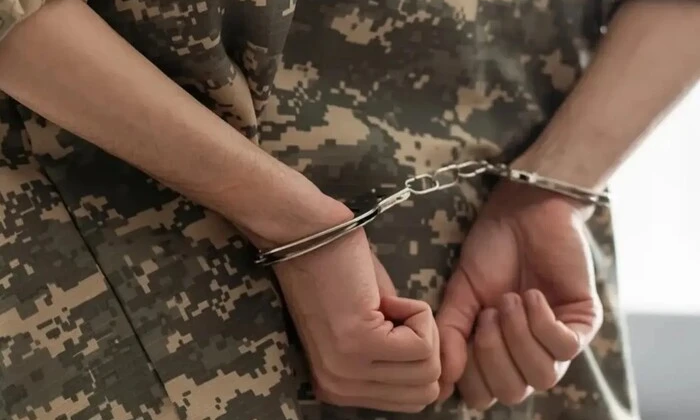
According to glavcom.ua: The Commissioner of the Verkhovna Rada for Human Rights, Dmytro Lubinets, stated that he does not support the draft law, which effectively reinstates criminal liability for unauthorized leaving of a military unit during martial law. This was reported by 'Glavkom' referring to the ombudsman's post.
According to Lubinets, he has sent his positions regarding the relevant draft laws to the Verkhovna Rada committee. This concerns two draft laws registered in parliament:
from 05.05.2025 №13260 'On amendments to the Criminal and Criminal Procedure Codes of Ukraine regarding the liability for committing criminal offenses related to unauthorized leaving of a military unit or place of service during martial law';
from 04.07.2025 №13452 'On amendments to the Code of Ukraine on Administrative Offenses and the Criminal Code of Ukraine regarding liability for military administrative and military criminal offenses.'
Lubinets' position on the draft law
The ombudsman states that he does not generally support draft law №13260. Because if it is adopted, servicemen will lose the opportunity for exemption from criminal liability for voluntarily returning to their place of service.
'That is, the only result for a person who decides to return will not be encouragement to correct, but mandatory criminal punishment under Article 408 or 409 of the Criminal Code of Ukraine,'
he says.
The Commissioner also emphasized that the legal norms provided for in draft law №13452 contain a longer period for imposing fines for offenses committed during martial law compared to the general one. Moreover, he criticized the prohibition of softer punishment or exemption from it.
The Commissioner of the Verkhovna Rada for Human Rights expressed his dissatisfaction with the draft laws that may affect servicemen during martial law, considering that both draft laws require serious revisions and clarifications to avoid restricting the rights and opportunities of these individuals in difficult conditions.

Read also