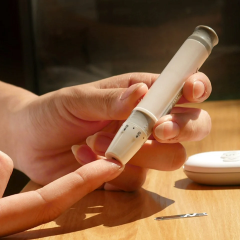
Blood Type B Linked to Higher Diabetes Risk, Study Finds

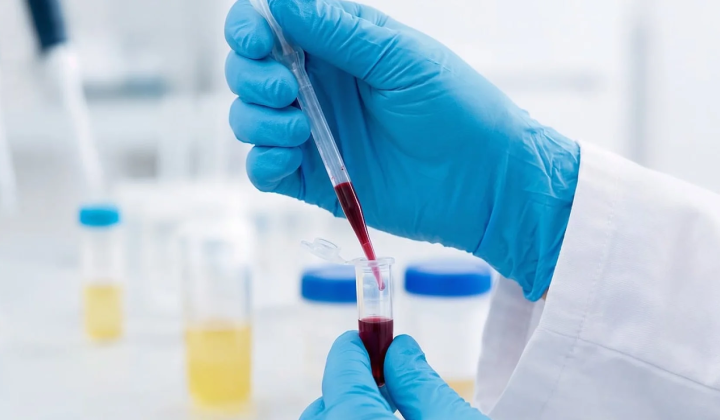
Heightened Type 2 Diabetes Risk for Individuals with Blood Group B
According to НВ — Техно: According to a comprehensive analysis, people with blood type B face an elevated risk of developing type 2 diabetes. The study, which examined 51 systematic reviews and 270 potential associations, confirmed a connection between the B blood group and type 2 diabetes at the highest level of evidence. Having blood type B increases the average risk of the disease by 28%.
The research findings indicate that individuals with blood type B-whether Rh-positive or Rh-negative-are more susceptible to type 2 diabetes. Investigators carefully analyzed 51 systematic reviews with meta-analyses, yielding detailed insights into 270 possible links between ABO blood groups, Rh factor, and various health indicators.
Additional Risk Factors Identified
Beyond blood type, the study highlighted other risk factors. For instance:
- Daily consumption of 50 grams of processed meat, such as sausages and hot dogs, raises the risk of type 2 diabetes by 37%.
- A sedentary lifestyle significantly increases the likelihood of developing type 2 diabetes by 112%.
- Excess weight remains the strongest critical risk factor for this condition.
The findings were published in the journal BMC Medicine. The higher diabetes risk for people with blood type B is an important consideration within the broader context of prevention and health management.
These results underscore the importance of a personalized approach to diabetes prevention, as genetic factors such as blood type can influence disease risk.
Given these outcomes, individuals with blood type B may benefit from paying closer attention to their lifestyle choices-including physical activity and diet-to reduce their risk of developing type 2 diabetes.
In addition to blood type, dietary choices play a significant role in diabetes risk. Recent research shows that adopting a Mediterranean diet can lower the likelihood of developing type 2 diabetes by 31%. This highlights the importance of lifestyle changes alongside understanding genetic factors like blood type B in managing diabetes risk effectively.

Read also